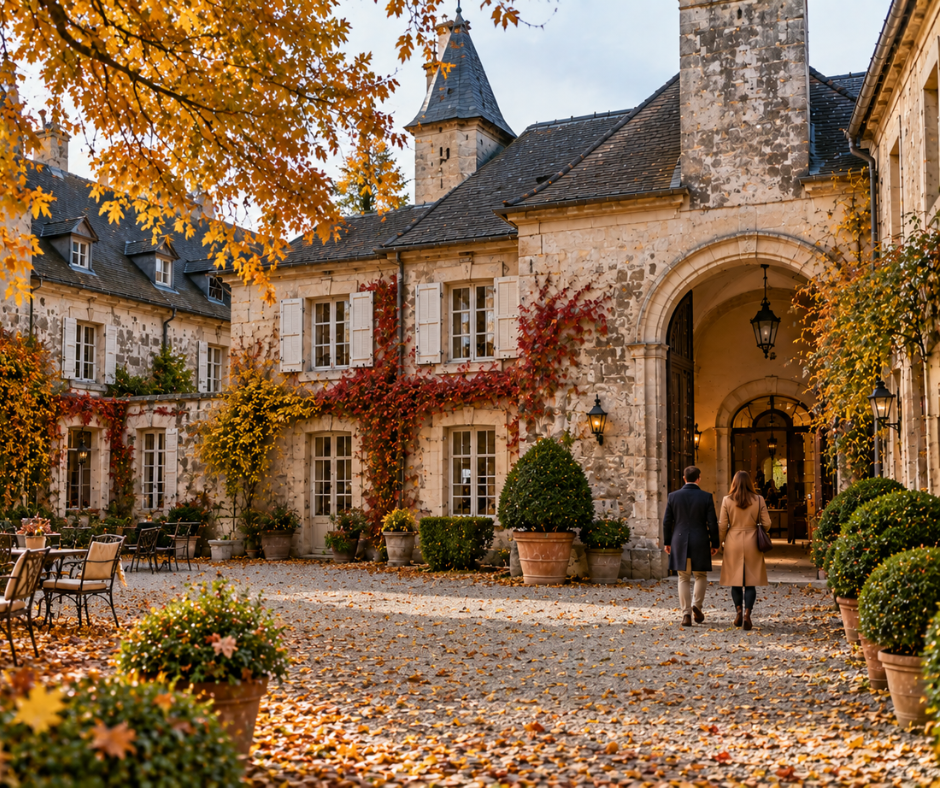
Every year on 11 November, towns and villages across Central Europe mark Saint Martin’s Day with a celebration that brings together food, wine, local traditions and the pleasures of gathering around the table.
Known as Martinstag in German-speaking regions and celebrated in different forms across Austria, Hungary, Slovakia and the Czech Republic, the occasion has deep historical roots. Today, it remains one of the most atmospheric culinary traditions of late autumn: a moment when restaurants prepare seasonal menus, wine regions celebrate the new vintage and communities come together before the beginning of winter.
For travellers, Saint Martin’s Day offers something particularly special. It is not simply a festival to observe, but a tradition to experience through local flavours, historic places and the hospitality of the regions where it has been celebrated for generations.
A Tradition with Centuries of History
Saint Martin of Tours is remembered throughout Europe, but his feast day has developed particularly strong culinary associations in Central Europe.
Historically, 11 November marked an important moment in the agricultural calendar. The harvest was complete, the first young wines were ready to taste and communities could celebrate the fruits of the season before winter arrived.
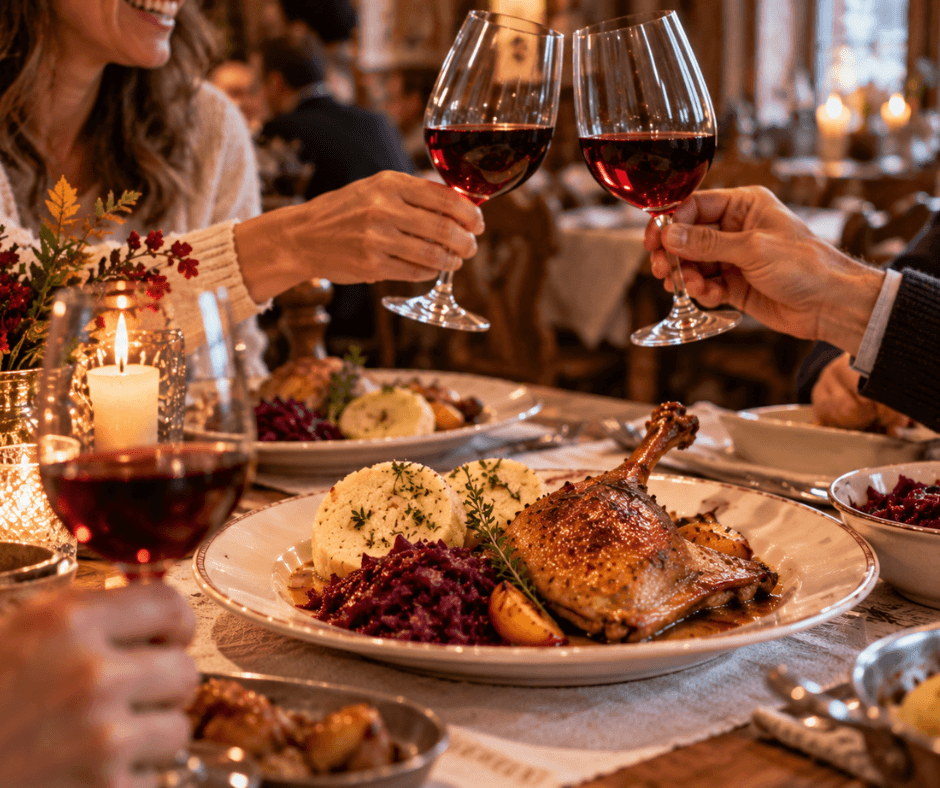
Over time, particular foods became associated with the occasion. The most famous is roast goose, traditionally served with seasonal accompaniments such as red cabbage, dumplings, potatoes or other regional specialities.
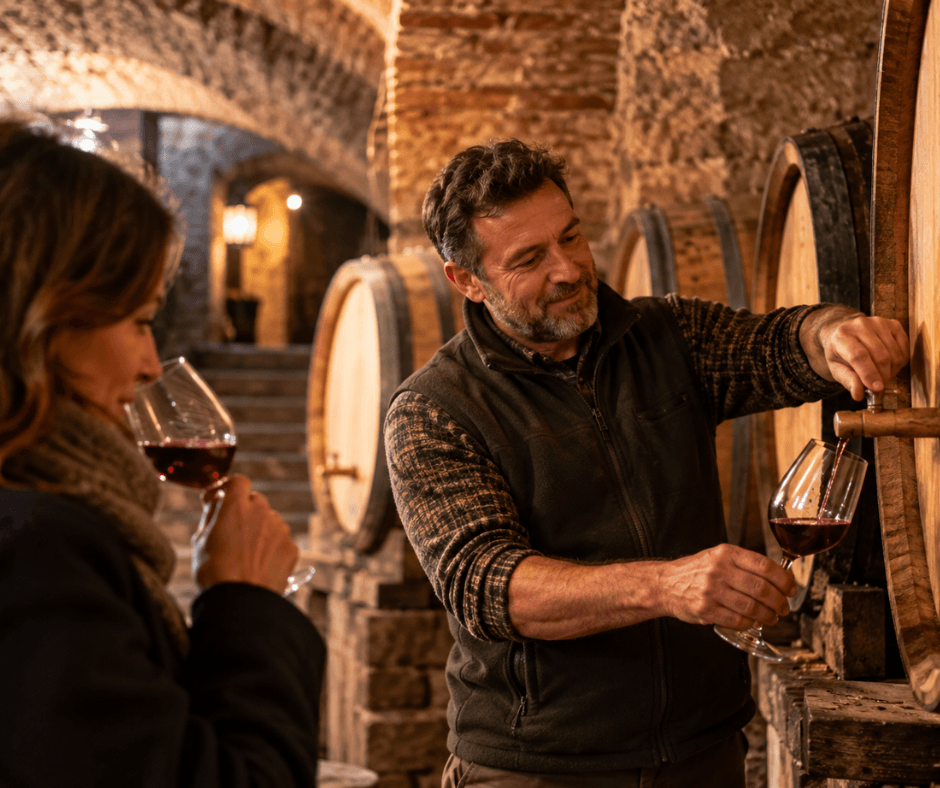
Wine is equally important. In several Central European wine regions, Saint Martin’s Day provides the first opportunity to taste young wines from the year’s harvest. Fresh and lively, these wines turn the celebration into an opportunity not only to enjoy a festive meal, but also to discover the character of the latest vintage.
Austria: Goose, Wine and Autumn Hospitality
In Austria, Saint Martin’s Day is especially associated with Martinigansl, the traditional roast goose served around 11 November.
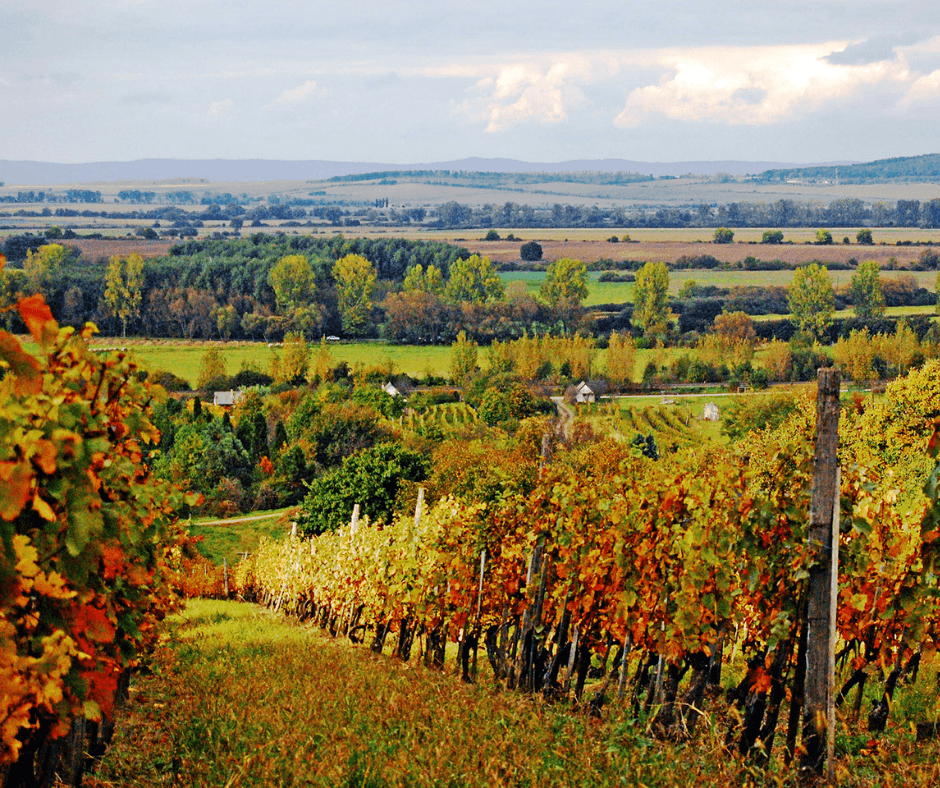
The celebration is particularly evocative in the country’s wine-growing regions, where vineyards, historic villages and traditional inns create the perfect setting for an autumn escape. Seasonal menus bring together roast goose and regional produce, while local wines provide an essential part of the experience.
For visitors, this is also an opportunity to discover Austria beyond its famous cities. Countryside estates, vineyard landscapes and historic communities reveal a slower side of the country, where food and wine remain closely connected to local identity.
Travelling through Austria at this time of year means experiencing the transition between autumn and winter through flavours that have accompanied local communities for generations.
When planning your journey, discover our heritage hotels collection in Austria and combine the traditions of Saint Martin’s Day with a stay surrounded by Austrian history and hospitality.
Hungary: Celebrating New Wine
Hungary has its own strong connection with Saint Martin, or Márton-nap, and the celebration has long been linked to goose dishes and new wine.
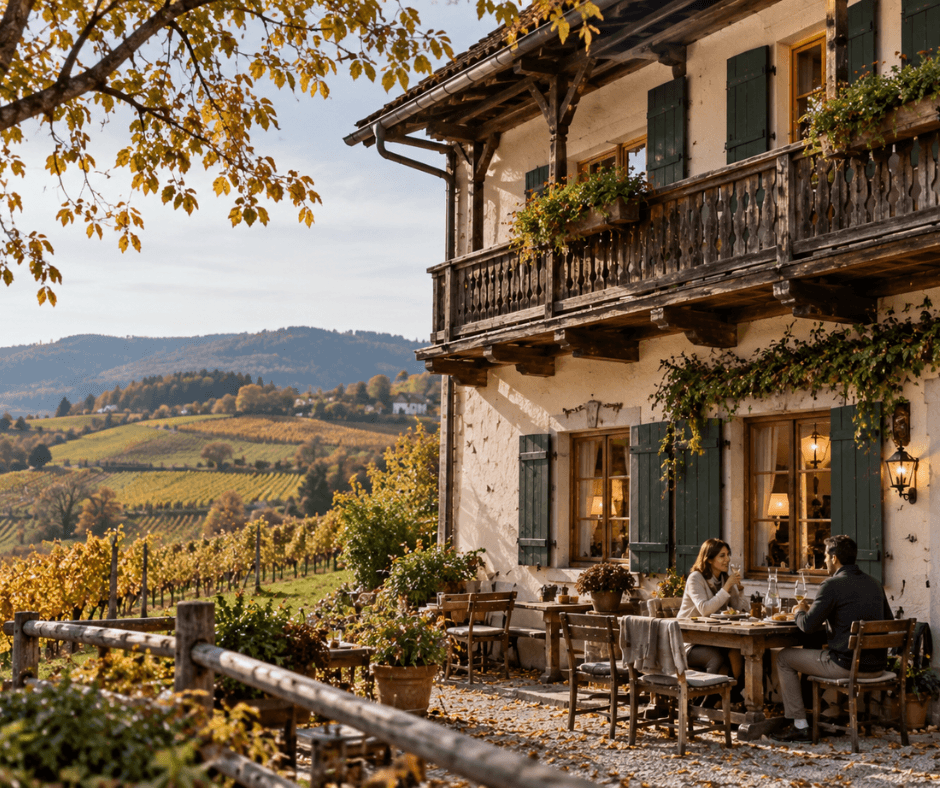
An old Hungarian tradition associates Saint Martin’s Day with tasting the year’s first wine, making November an appealing time to explore the country’s historic wine regions. Restaurants and wine estates often celebrate with special menus, tastings and seasonal events.
There is also a particularly meaningful connection between Hungary and Saint Martin: according to tradition, Martin was born in Roman Pannonia, in an area associated with present-day Hungary.
This historical connection gives the celebration another dimension. A journey inspired by Saint Martin can lead travellers from historic towns to vineyards and countryside landscapes, discovering along the way how culinary customs preserve stories from the past.
Stay at one of our heritage hotels in Hungary and make historic hospitality part of your journey through the country’s Saint Martin’s Day traditions.
Slovakia: Autumn Traditions in Historic Surroundings
Slovakia offers another fascinating interpretation of Central European autumn traditions.
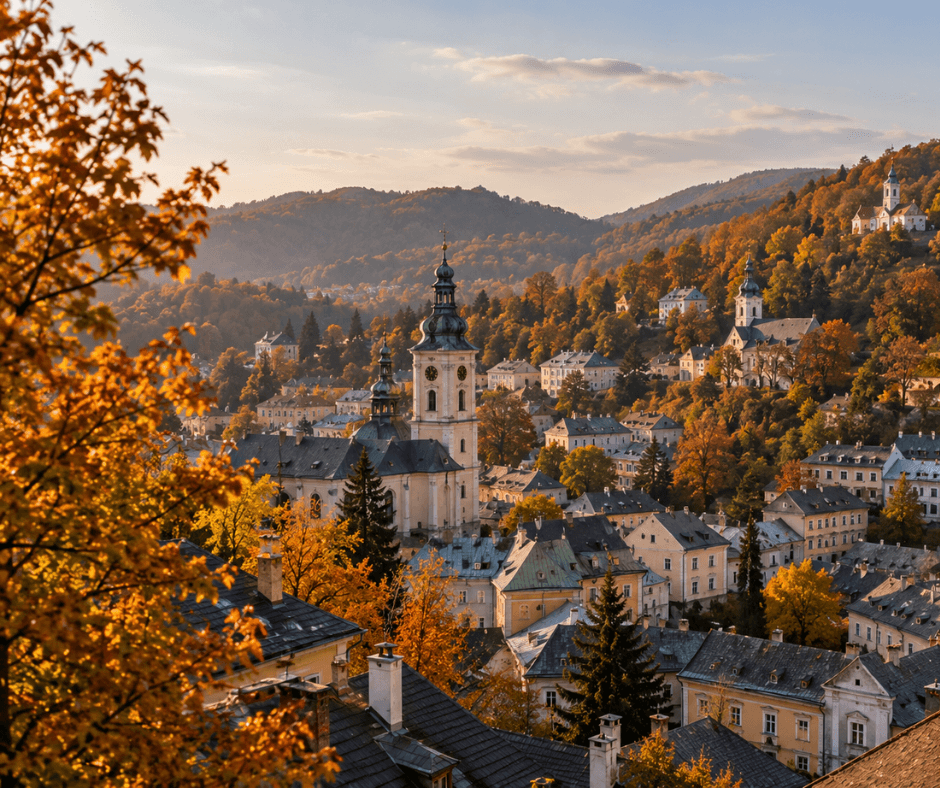
Historic towns, mountain landscapes and rural communities make November an atmospheric time to visit, particularly for travellers interested in discovering regional cuisine away from the busiest tourist periods.
Food has always been an important expression of Slovak culture, and seasonal celebrations provide an opportunity to experience recipes and customs connected with the agricultural calendar and local communities.
Combined with Slovakia’s castles, historic centres and countryside, a culinary journey can become a much broader exploration of the country’s heritage.
While exploring Slovakia, choose one of our heritage hotels as your base for discovering the country’s historic towns, landscapes and local traditions.
The Czech Republic: Saint Martin Arrives with Young Wine
In the Czech Republic, 11 November is also eagerly anticipated by wine lovers. Saint Martin’s wines, known as Svatomartinské víno, traditionally mark the arrival of the new vintage.
Seasonal celebrations bring together young wines and comforting autumn cuisine, with goose appearing on many menus. Historic squares, restaurants and wine cellars provide an atmospheric backdrop for discovering the tradition.
The experience can be particularly memorable in historic towns and wine-growing areas, where architecture, food and local culture are closely intertwined. November may be quieter than the main summer season, but that is precisely part of its appeal: cobbled streets, centuries-old buildings and intimate restaurants invite travellers to experience the destination at a gentler pace.
Complete your journey through the Czech Republic with a stay at Chateau Lány in Břeclav, a historic hunting estate dating back to 1810 and set in the heart of the Lednice-Valtice cultural landscape. Surrounded by nature and deeply connected to the history of the region, it provides an atmospheric setting from which to experience the country’s autumn traditions, local cuisine and wine culture.
More Than a Festive Meal
What makes Saint Martin’s Day so interesting for travellers is the way it connects several elements of European heritage.
There is the culinary tradition itself: dishes prepared according to recipes passed from one generation to another. There is the agricultural heritage represented by vineyards, farms and the arrival of the new wine. And there are the historic settings in which these traditions continue to be celebrated.
Rather than visiting a destination simply to see its monuments, Saint Martin’s Day offers the chance to participate in something that is still part of local life.
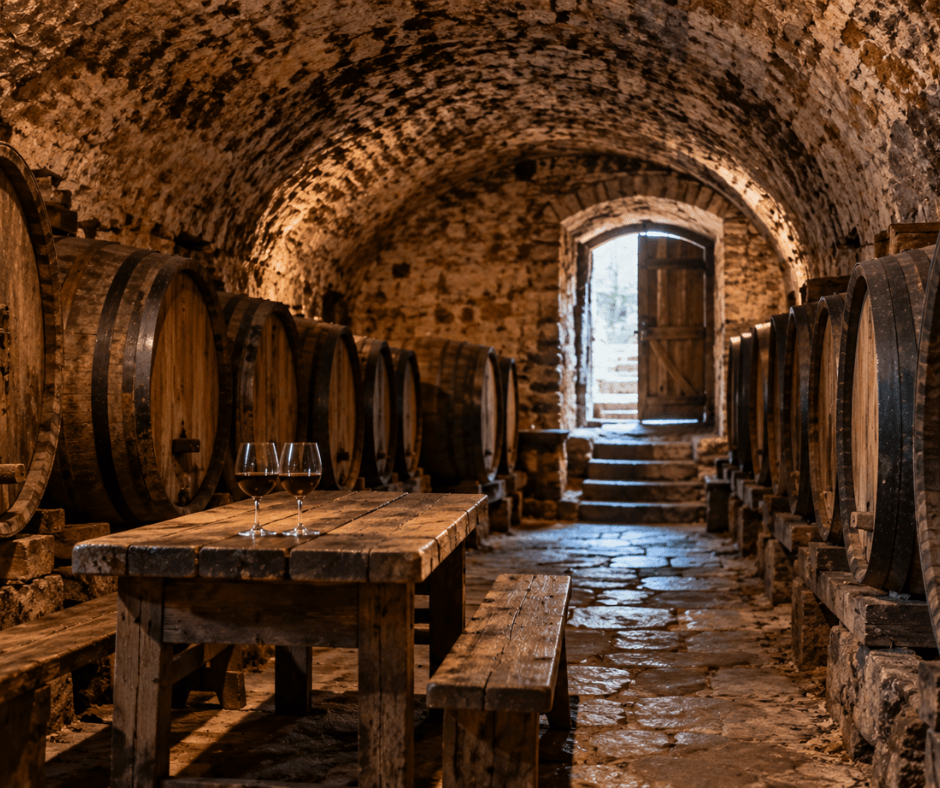
A glass of young wine in a historic cellar, a seasonal dinner in a centuries-old building or an evening spent in a small Central European town can reveal just as much about a place as its most famous landmark.
Experience Saint Martin’s Day with Heritage Hotels of Europe
November is sometimes overlooked as a time to travel through Central Europe. Yet for travellers interested in food, wine, culture and authentic experiences, it can be one of the most rewarding moments of the year.
The landscapes are quieter, historic towns become more intimate and restaurants celebrate the flavours of the season.
Staying in a heritage hotel adds another layer to the experience. Historic architecture and local hospitality provide a natural setting for a tradition that has survived for centuries.
This Saint Martin’s Day, follow the flavours of autumn through Austria, Hungary, the Czech Republic and Slovakia – and discover a Central European tradition in the places where it continues to be part of everyday cultural life.