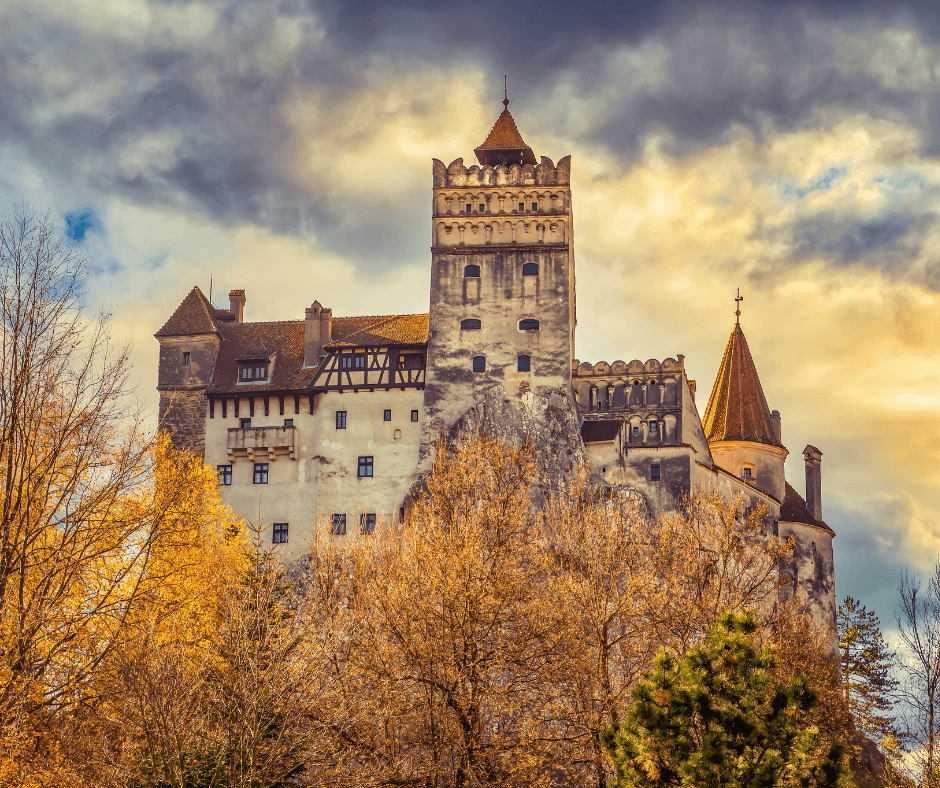
Beyond Romania’s famous castles and medieval cities lies a quieter landscape of rolling hills, traditional farmhouses and remarkable fortified churches.
The Saxon villages of Transylvania preserve one of Central Europe’s most distinctive rural cultural landscapes. Here, history is not confined to museums or monuments. It can be seen in village streets, medieval churches, old houses, agricultural traditions and communities that continue to care for a heritage shaped over many centuries.
For travellers interested in architecture, history and slow travel, exploring these villages offers an opportunity to discover another side of Romania – one where the journey between destinations can be just as memorable as the places themselves.
The Story of the Transylvanian Saxons
The history of the villages is closely connected with the Transylvanian Saxons, German-speaking settlers who established communities in the region during the Middle Ages.
Over the centuries, they developed distinctive settlements characterised by orderly village structures, farmhouses and churches that became both religious centres and places of refuge.
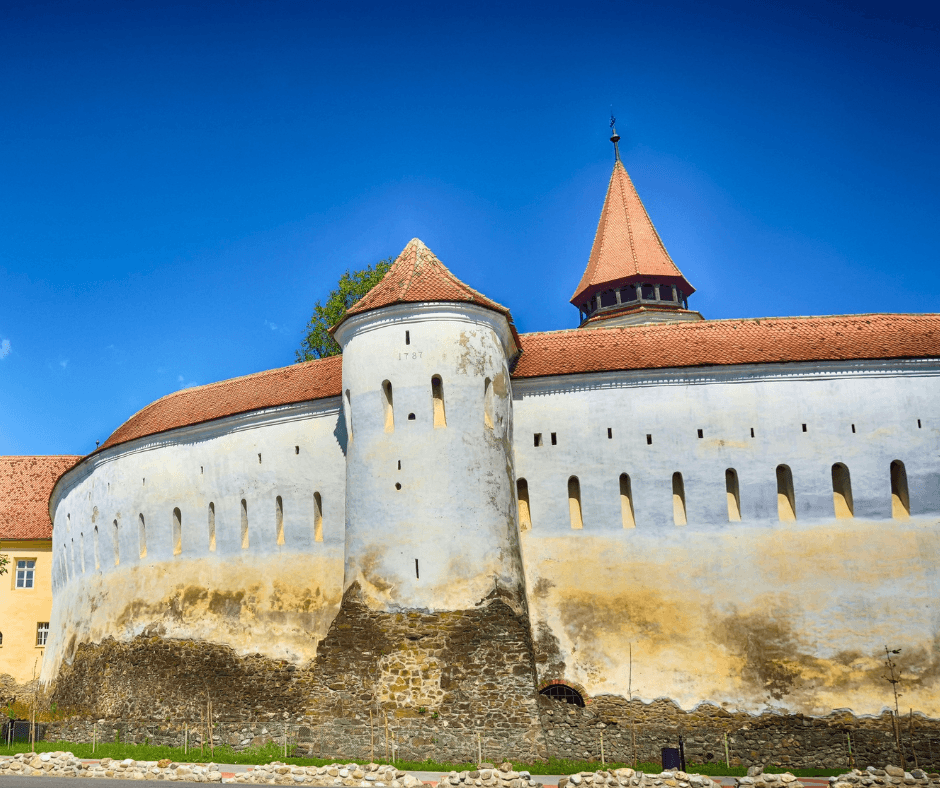
The most striking feature of many communities is the fortified church. Built and adapted between the 13th and 16th centuries, these complexes combined places of worship with defensive walls, towers and other protective structures.
Their presence transformed the landscape and today provides an extraordinary architectural record of medieval rural Transylvania.
UNESCO recognises seven Villages with Fortified Churches in Transylvania: Biertan, Prejmer, Viscri, Dârjiu, Saschiz, Câlnic and Valea Viilor. Together, they preserve distinctive settlement patterns and forms of rural organisation dating back to the late Middle Ages.
Viscri: A Village Shaped by Time
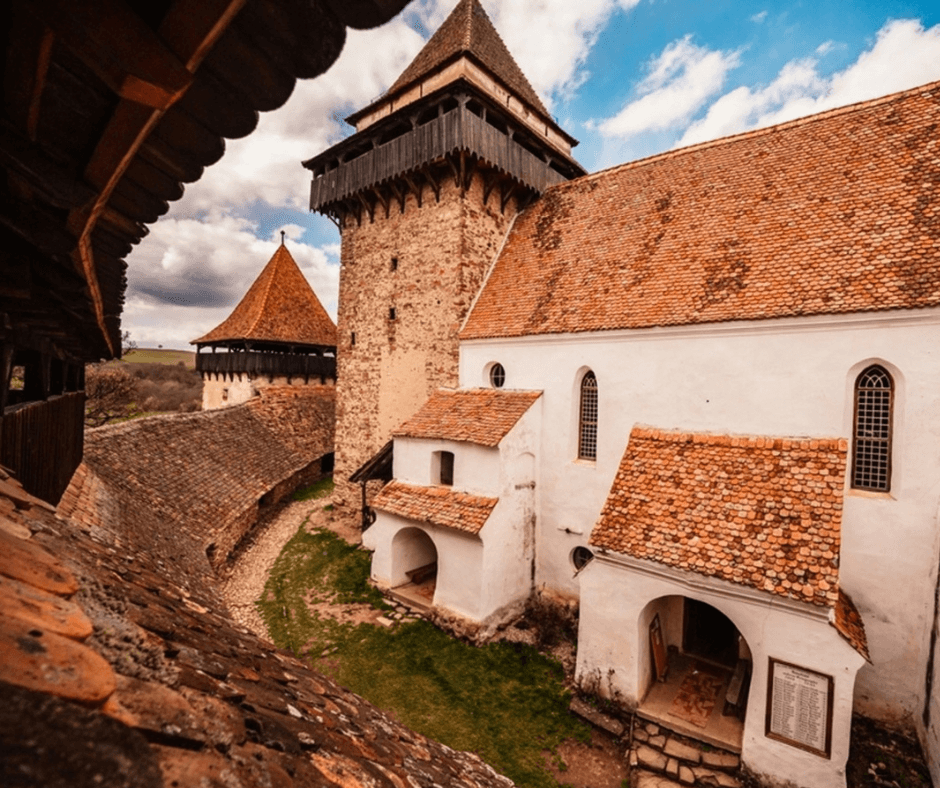
Viscri has become one of the best-known Saxon villages, yet it retains much of the character that makes this region so compelling.
Its traditional houses, rural streets and surrounding countryside create a sense of continuity with the past. Above the village stands its fortified church, positioned at its highest point. Archaeological research has identified elements connected with an earlier church on the site, while later centuries brought extensions and fortifications.
The pleasure of visiting Viscri lies not only in entering the church complex. Walking through the village, observing the architecture and taking time to appreciate the surrounding landscape are all part of the experience.
It is a destination that rewards curiosity rather than speed.
Biertan: One of Transylvania’s Great Fortified Churches
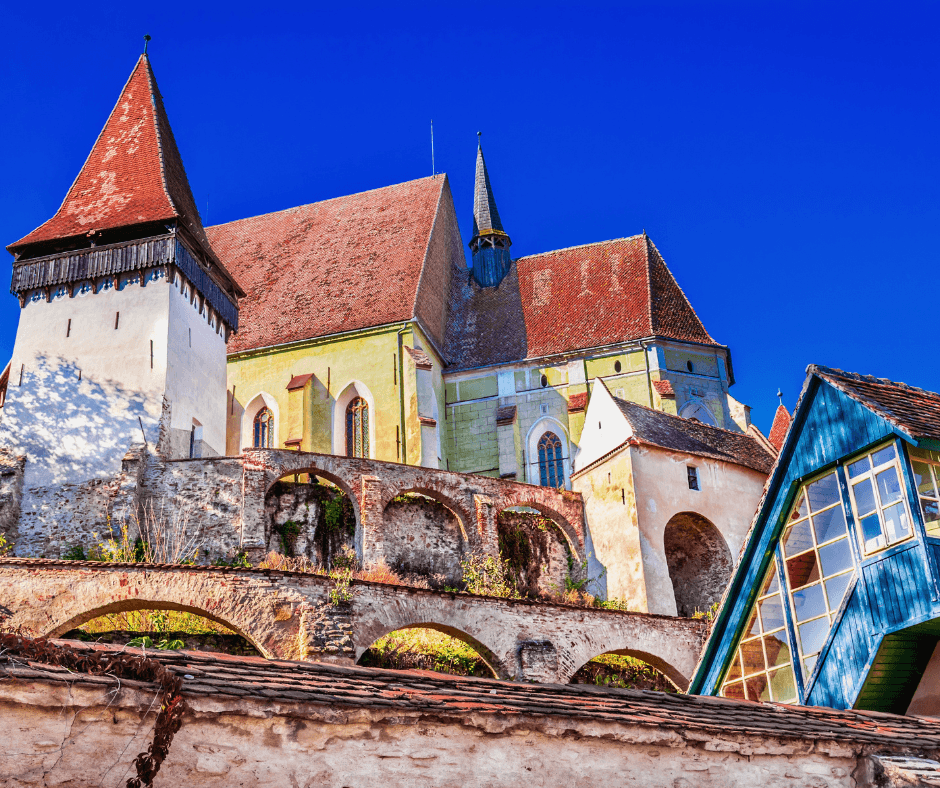
Biertan offers another perspective on Saxon heritage.
The village is dominated by an imposing fortified church surrounded by defensive structures, creating one of the most recognisable historic landscapes in Transylvania.
Biertan was the original component inscribed by UNESCO in 1993; the World Heritage property was expanded in 1999 to encompass the wider group of fortified-church villages.
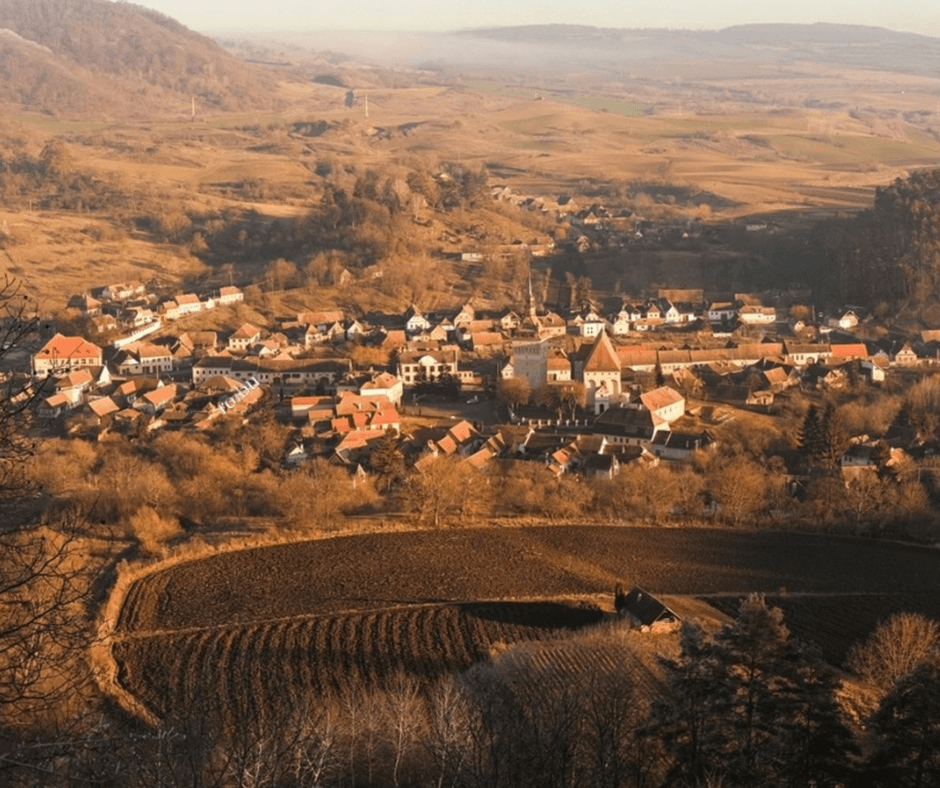
The relationship between the church and the surrounding settlement is particularly important. These are not isolated monuments placed within a modern landscape. The villages themselves – their streets, houses, agricultural plots and patterns of settlement – form part of the cultural story UNESCO seeks to preserve.
This relationship between architecture and everyday life is one of the defining characteristics of a journey through Saxon Transylvania.
Prejmer: Architecture Built for Protection
At Prejmer, the defensive character of the fortified churches becomes especially clear.
Its complex demonstrates how religious architecture could also serve an essential practical purpose for the surrounding community. Churches were places of worship, but in periods of danger their fortifications could provide protection.
This combination of sacred and defensive architecture helps explain why Transylvania’s fortified churches are so distinctive.
UNESCO notes that the churches within the listed villages illustrate architectural styles spanning the 13th through the 16th centuries, providing an unusually rich record of the region’s evolution.
Standing inside these complexes today makes it possible to understand something that photographs alone cannot fully communicate: these buildings were at the centre of community life.
Saschiz, Câlnic and Valea Viilor
The beauty of a journey through Saxon Transylvania is that there is always another village to discover.
Saschiz, Câlnic and Valea Viilor each contribute a different chapter to the story, while their quieter atmosphere makes them particularly rewarding for travellers who enjoy exploring beyond the best-known destinations.
Rather than trying to visit as many villages as possible, consider travelling slowly. Choose a route, stop in smaller communities and allow time for unexpected discoveries.
Traditional houses, gates, agricultural landscapes and church towers all contribute to the character of the region.
The result is not simply a collection of historic monuments, but an entire cultural landscape.
Rural Heritage That Is Still Alive
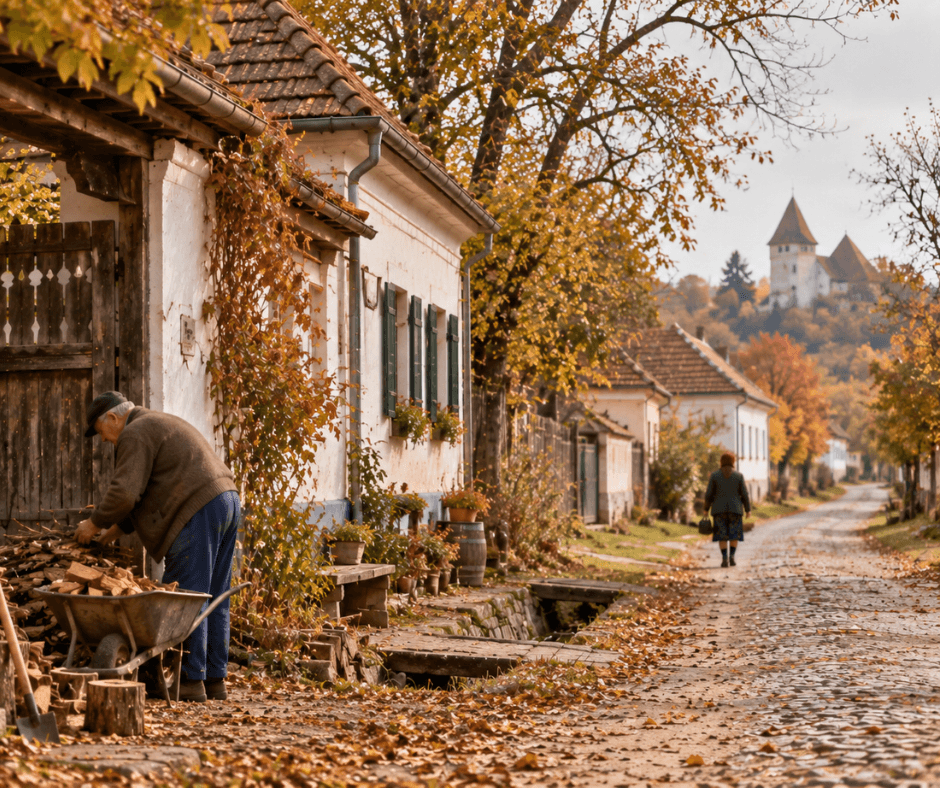
Perhaps the most fascinating aspect of Transylvania’s Saxon villages is the relationship between preservation and contemporary life.
These villages are historic, but they are not frozen in time. People continue to live and work here, while conservation initiatives seek to protect buildings, craftsmanship and traditional landscapes.
This makes responsible travel particularly important.
Choosing local experiences, respecting private homes and agricultural land, visiting cultural sites responsibly and supporting businesses connected with the community all help ensure that tourism contributes positively to the preservation of the region.
Travelling slowly also changes the experience itself. Instead of seeing a fortified church simply as another landmark, visitors have time to understand why it stands where it does and how the surrounding settlement developed around it.
Sighișoara: A Natural Gateway to Saxon Transylvania
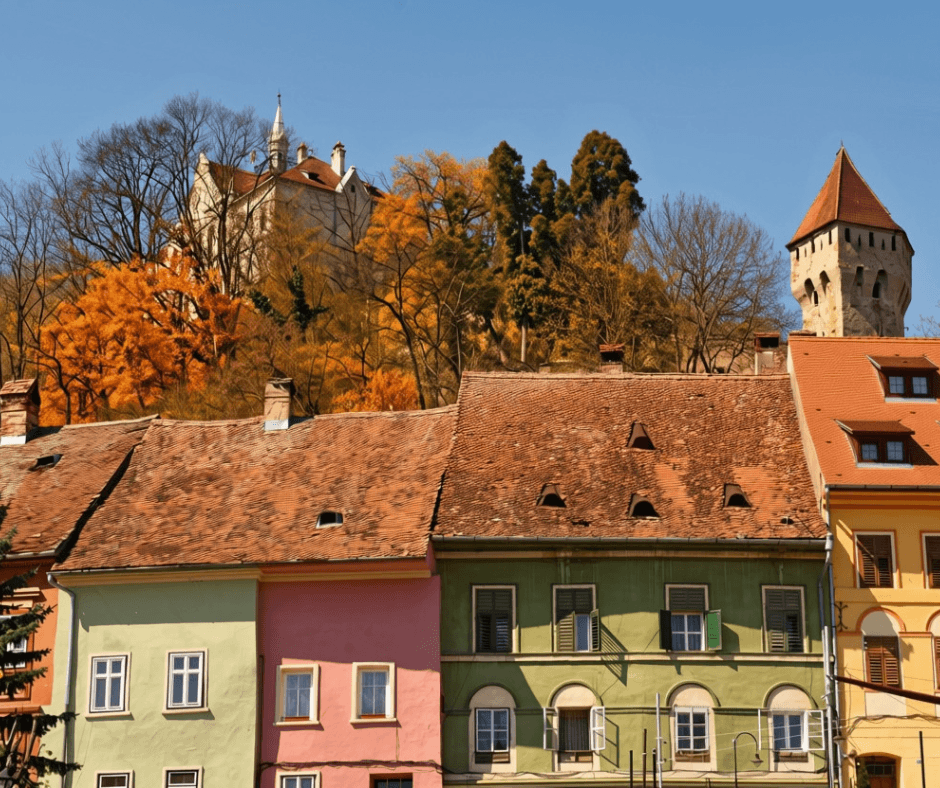
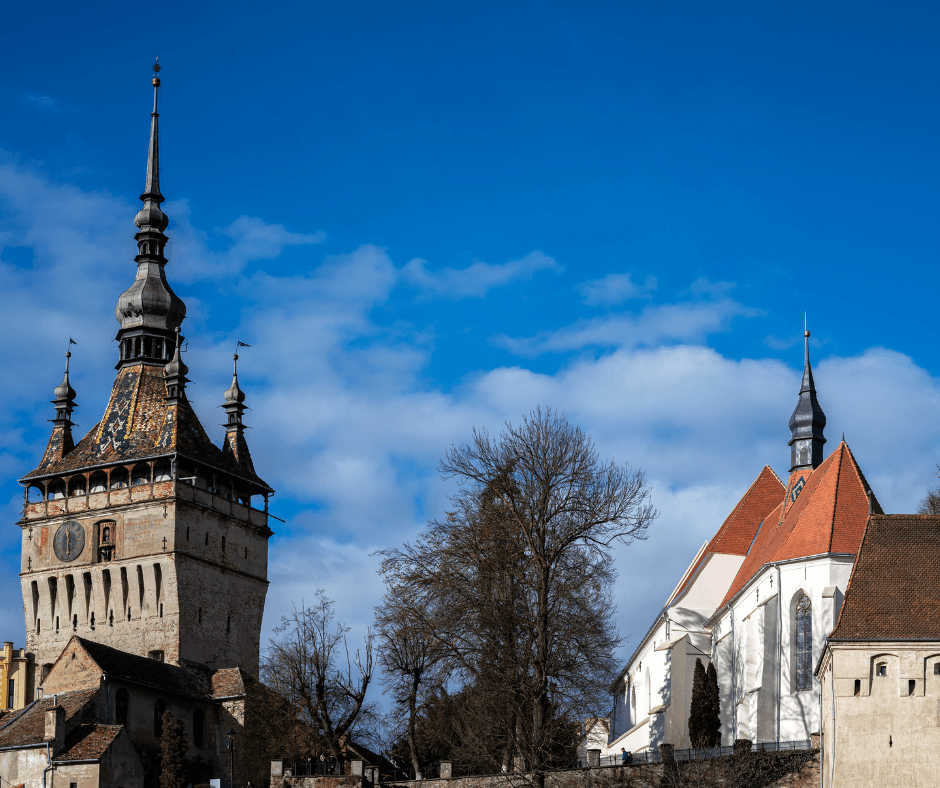
A journey through the villages can easily be combined with time in Sighișoara, one of Romania’s most atmospheric medieval destinations.
Its historic character makes it a natural base or stopping point for travellers exploring the wider Transylvanian landscape. From here, the transition from fortified town to rural villages reveals the different ways communities shaped and protected their settlements over the centuries.
It is also where a heritage-focused journey can continue after a day exploring the countryside.
For travellers discovering Transylvania, make our heritage hotels in Romania part of the journey and experience the region from places where history is not simply something to visit, but something that surrounds your stay. The Heritage Hotels of Europe collection in Romania includes Heritage Boutique Hotel Sighisoara and Casa Weiss, offering the opportunity to extend the experience of Transylvania beyond the day’s explorations and into the atmosphere, architecture and hospitality of the destination itself.
Discover our heritage hotels in Romania and let your journey through Transylvania continue long after you leave its villages behind.
A Different Way to Discover Romania
Transylvania is often associated with legends, castles and dramatic mountain scenery. All are part of its appeal, but the Saxon villages reveal a more intimate story.
Here, heritage appears in the proportions of a farmhouse, the walls surrounding a church, the layout of a village street and the relationship between communities and the land around them.
UNESCO describes the seven listed villages as a vivid representation of southern Transylvania’s cultural landscape, preserving patterns that have developed over centuries.
That continuity is precisely what makes travelling here so memorable.
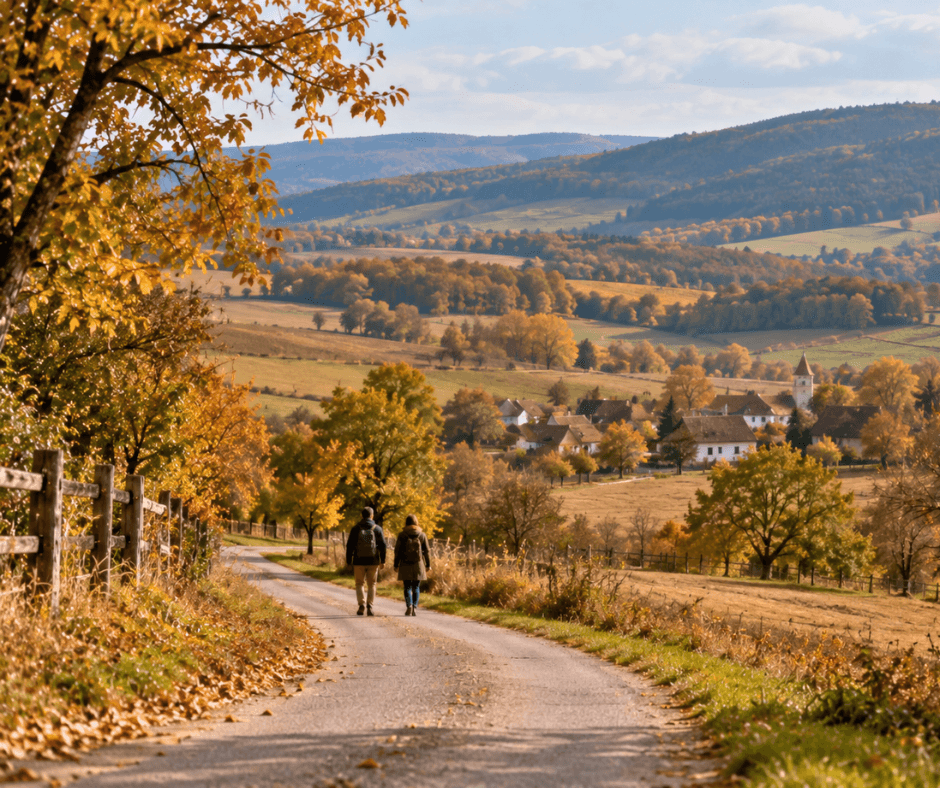
A journey through Viscri, Biertan, Prejmer and the surrounding villages is not simply a route between historic monuments. It is an invitation to slow down, look more closely and discover a part of Europe where architecture, landscape and living traditions remain deeply connected.
And when the day of exploring comes to an end, a stay in one of Romania’s heritage hotels allows the story to continue – surrounded by the history and hospitality that make Transylvania such an extraordinary cultural destination.