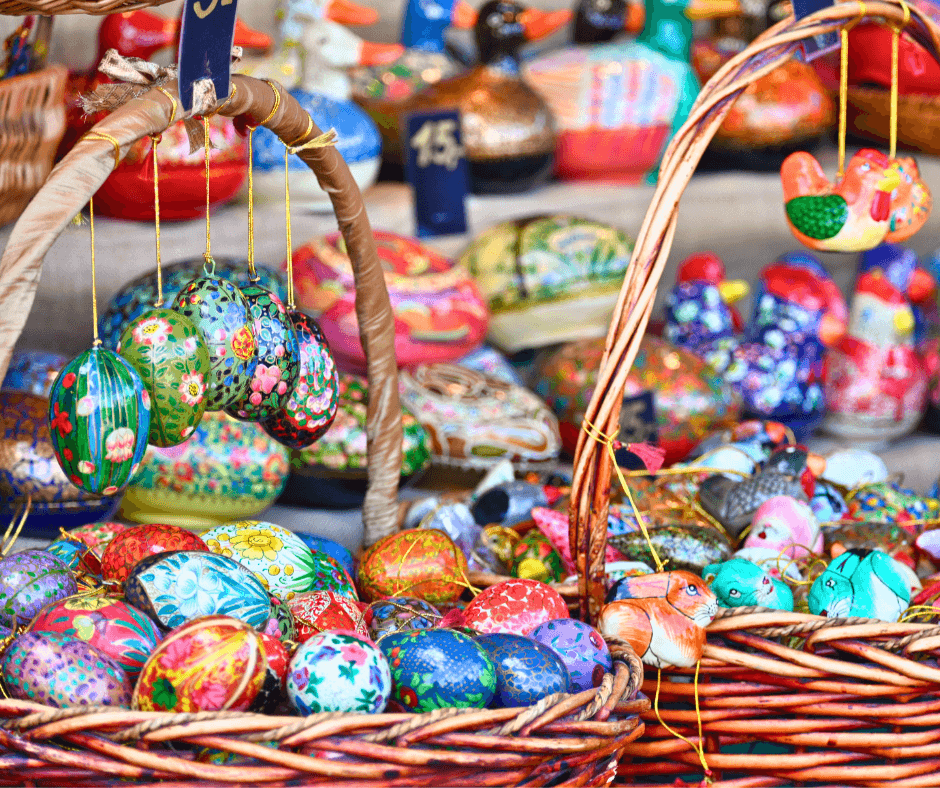
Across Europe, Easter is far more than a religious holiday. It is a living cultural tradition — a time when centuries-old rituals, music, and communal celebrations transform historic towns and villages into vibrant stages of heritage and faith.
From candlelit processions and sacred ceremonies to joyful folk customs and springtime festivals, Easter reflects the deep identity of Europe’s communities. These traditions have been passed down through generations, preserving cultural heritage while bringing people together each year in celebration.
For travelers, Easter offers a rare opportunity to witness these traditions firsthand. For guests staying in heritage hotels across the continent, the season becomes more than a holiday — it becomes a journey through living history.
Portugal: Sacred Processions and Ancient Devotion
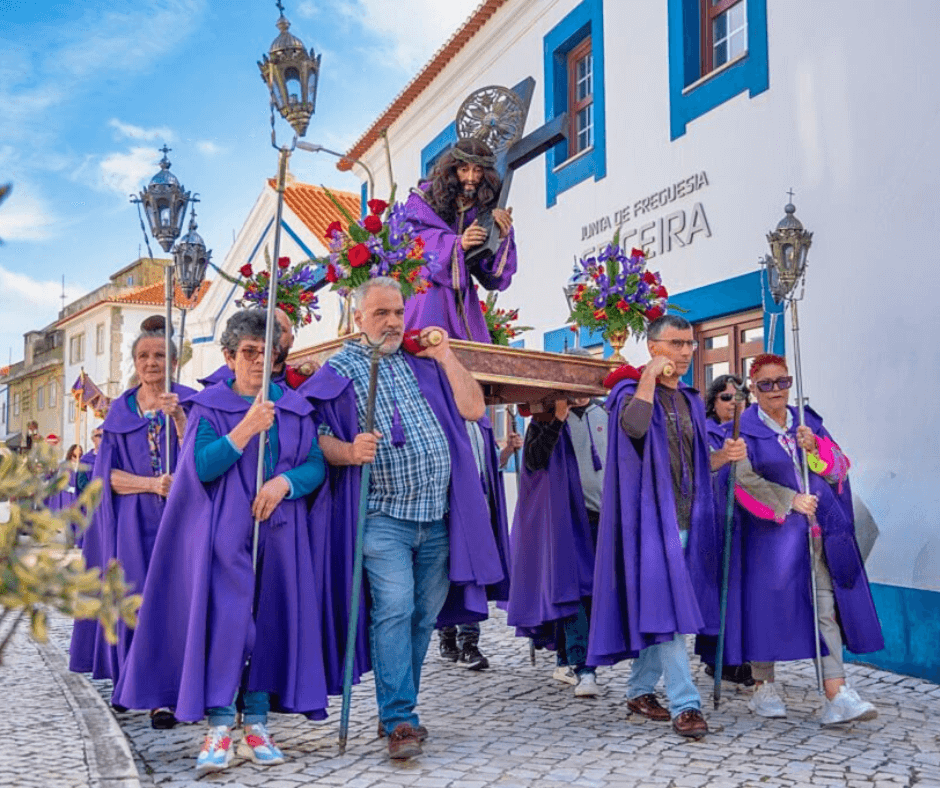
Throughout Portugal, Easter week is marked by solemn and deeply moving religious traditions. Among the most powerful are the Procissões do Senhor Morto — the Processions of the Dead Christ — which take place in historic towns and cities across the country.
During these ceremonies, streets are illuminated by candlelight as participants dressed in traditional robes carry religious statues through historic squares and narrow streets. Church bells echo in the distance, while the slow rhythm of the procession creates an atmosphere of reflection and devotion.
These processions are powerful expressions of faith and cultural heritage, preserving traditions that have shaped Portuguese communities for centuries.
If you are exploring Portugal’s historic traditions, stay at Lisbon Heritage Hotels, the historic hotel collection in Lisbon that is part of Heritage Hotels of Europe, and experience the city’s cultural heritage from beautifully restored historic buildings.
Austria: Easter Fires and Alpine Traditions
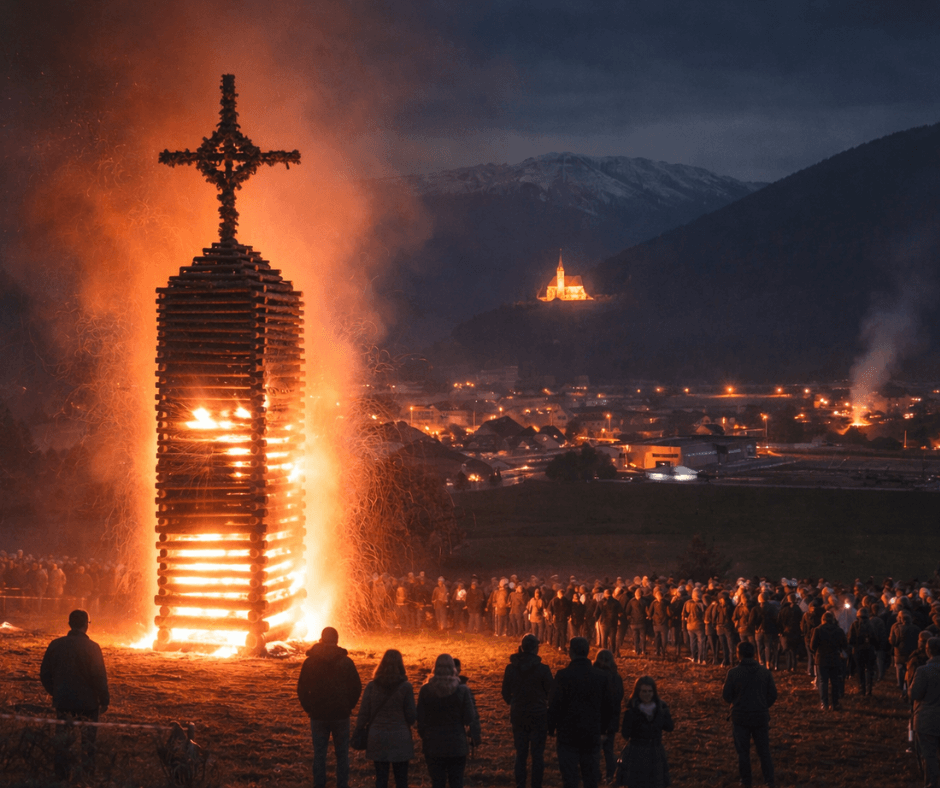
In the Austrian regions of Tyrol and Salzburg, Easter traditions reflect the rhythm of the mountains. One of the most fascinating customs is the lighting of Easter fires, which illuminate the Alpine slopes on Holy Saturday.
These fires symbolize the victory of light over darkness and the arrival of spring. Villages gather together in celebration, often accompanied by traditional music, local food, and centuries-old rituals.
Austria also hosts charming Easter markets, where decorated eggs, handcrafted ornaments, and seasonal delicacies fill historic town squares.
If you are discovering Austria during Easter, stay at one of our heritage hotels and experience the season surrounded by imperial architecture and Alpine landscapes.
Germany: Decorated Fountains and Easter Markets
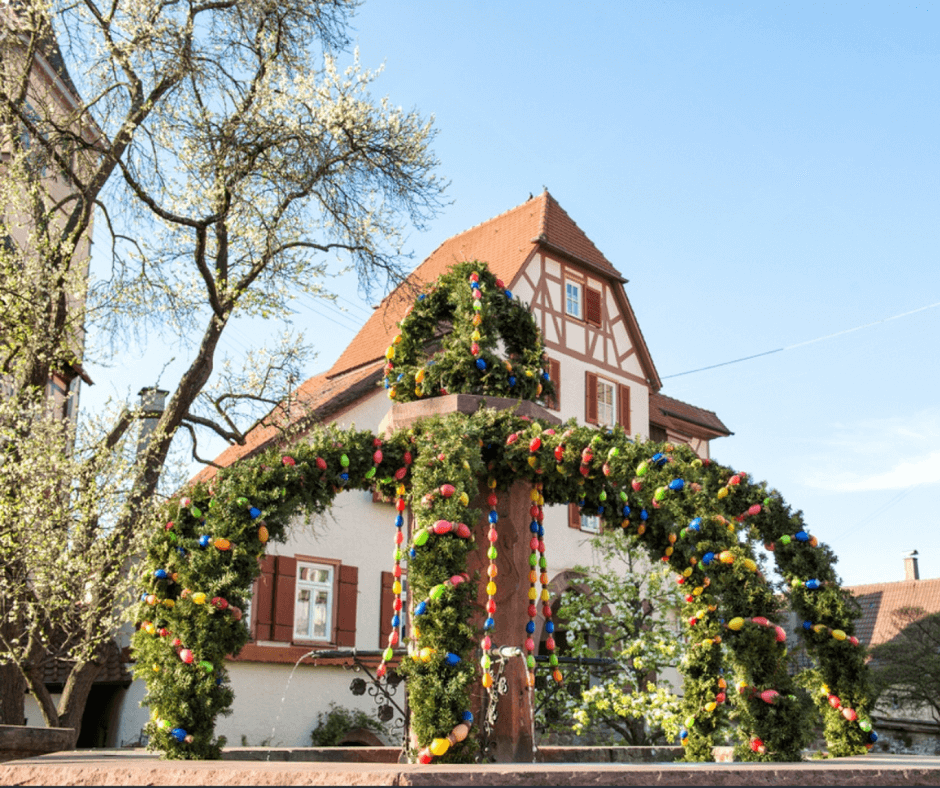
Germany celebrates Easter with an extraordinary visual tradition known as Osterbrunnen, or Easter fountains.
Across Bavaria and Franconia, village fountains are elaborately decorated with thousands of painted eggs, flowers, and ribbons. Entire communities participate in creating these displays, turning quiet town centers into colorful works of art.
Germany’s Easter markets are equally enchanting. Visitors can explore stalls selling hand-painted eggs, traditional pastries, and artisanal crafts while enjoying music and festive atmospheres in historic squares.
If you are exploring Germany’s Easter traditions, stay at one of our heritage hotels and experience the country’s historic towns and festive heritage firsthand.
Poland: The Joyful Tradition of Śmigus-Dyngus
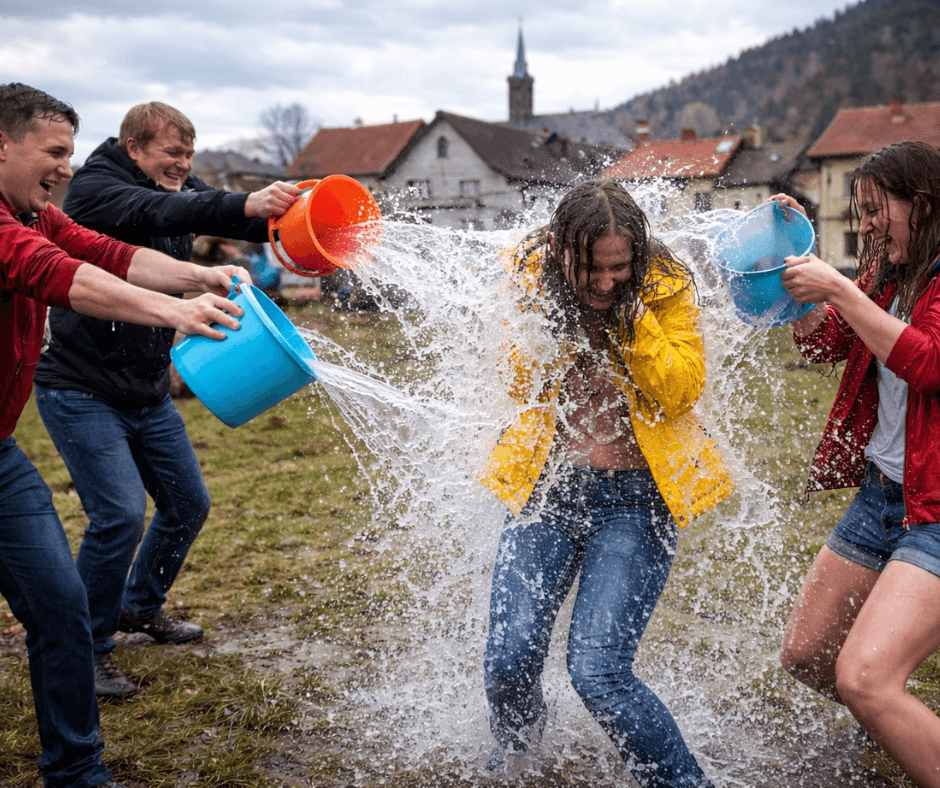
While many European Easter celebrations are solemn, Poland introduces a playful tradition on Easter Monday known as Śmigus-Dyngus, or “Wet Monday.”
On this day, people splash water on friends and family as a symbol of purification and renewal. What began as a rural folk custom has evolved into a joyful national celebration filled with laughter, music, and community spirit.
Polish Easter celebrations also include beautifully decorated eggs known as pisanki, intricate works of folk art created using traditional wax techniques.
If you are discovering Poland during Easter, stay at one of our heritage hotels and explore the country’s rich cultural traditions and historic cities.
Italy: Culinary Traditions and Historic Celebrations
Italy celebrates Easter with deep religious devotion and beloved culinary traditions.
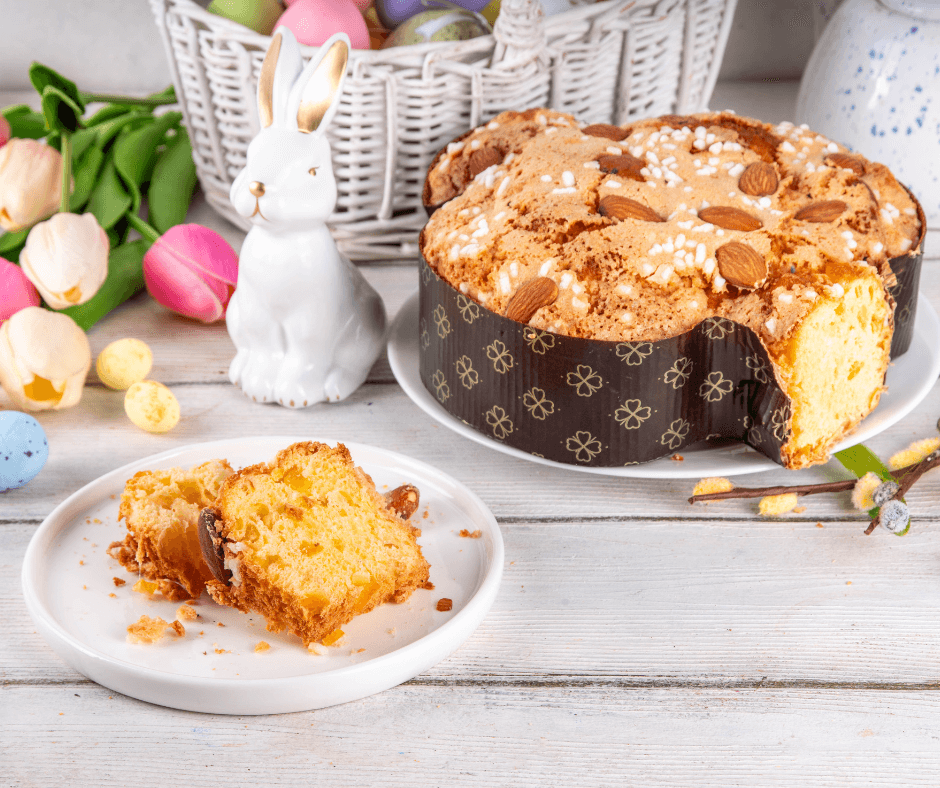
Historic cities host grand processions and religious reenactments, while families gather to share festive meals featuring traditional dishes such as Colomba Pasquale, a dove-shaped Easter cake symbolizing peace.
From Florence’s famous Scoppio del Carro ceremony to local celebrations in small villages, Easter in Italy blends spectacle, history, and gastronomy.
If you are exploring Italy’s historic towns and Easter traditions, stay at one of our heritage hotels and experience authentic Italian culture in extraordinary historic residences.
Romania: Orthodox Easter and Living Traditions
In Romania, Easter is celebrated according to the Orthodox calendar and remains one of the most important religious events of the year, blending deep spiritual rituals with vibrant cultural traditions.
At midnight on Holy Saturday, church bells ring as worshippers gather outside holding candles. The priest lights the first flame, symbolizing Christ’s resurrection, and the light spreads through the crowd until the entire square glows with flickering candlelight.
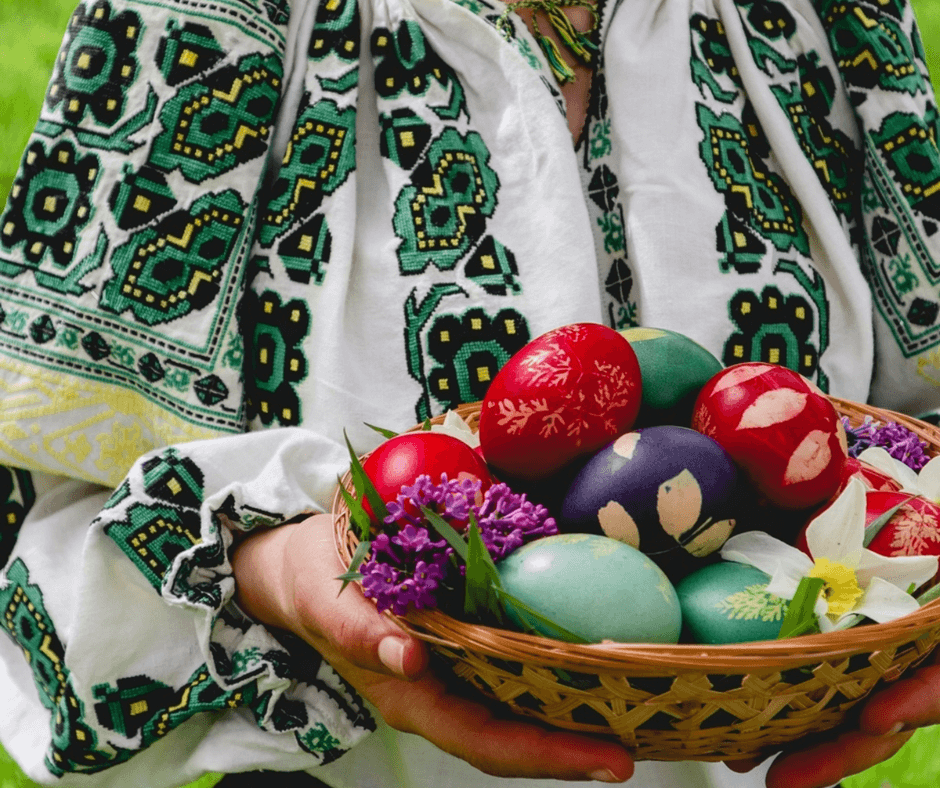
Alongside these sacred ceremonies, Romania is also renowned for its intricate egg painting traditions, known as ouă încondeiate. These beautifully decorated eggs — often created using wax-resist techniques and traditional motifs — symbolize new life, renewal, and protection. In regions such as Bucovina, egg painting has been practiced for generations and remains one of the most recognizable artistic expressions of Romanian Easter.
If you are exploring Romania’s Easter traditions, stay at our heritage hotels, and discover Romania’s history and culture in an extraordinary historic setting.
United Kingdom: Easter Traditions in Historic Landscapes
Across the United Kingdom, Easter is celebrated with a mix of religious observances and traditional countryside festivities.
Historic churches host special services, while communities organize Easter egg hunts, seasonal fairs, and local markets.
Spring also brings blooming gardens and vibrant cultural events in cities such as London, Edinburgh, and Bath.
If you are discovering the historic landscapes of the United Kingdom, stay at one of the Great Inns of Britain and experience British heritage in unique historic settings.

Celebrating Easter Through Europe’s Living Heritage
Easter reveals the diversity and beauty of Europe’s cultural traditions. Each country celebrates the season in its own unique way — yet all share the same spirit of renewal, community, and history.
For travelers seeking authentic cultural experiences, staying in heritage hotels offers a unique perspective. These historic residences are not just places to stay — they are part of the story itself.
From candlelit processions and folk traditions to festive markets and springtime celebrations, Easter in Europe invites visitors to step into living history.