As winter descends on the Austrian Alps, the landscape undergoes a gentle transformation. Snow carpets the valleys and mountaintops, turning every slope and rooftop into a scene from a holiday postcard. Twinkling lights begin to glow in the windows of wooden chalets, and the scent of cinnamon, cloves, and baked apples drifts through the air.
This is Advent in Austria — a season that holds a sacred place in the cultural and spiritual life of its people.
A Season Beyond Christmas
In Austria, Advent is not merely a countdown to December 25th. It is a time for reflection, community, and cherished traditions. Spanning the four weeks leading up to Christmas, Advent weaves together religion, folklore, gastronomy, and celebration in a way that feels both profoundly old and quietly magical.
While commercial elements of Christmas exist here too, the essence of the Austrian Advent remains rooted in age-old customs. From candlelit processions and alpine carols to artisan markets and hand-crafted decorations, the season invites locals and visitors alike to slow down and soak in its intimate beauty.

The Heartbeat of the Season: The Advent Wreath
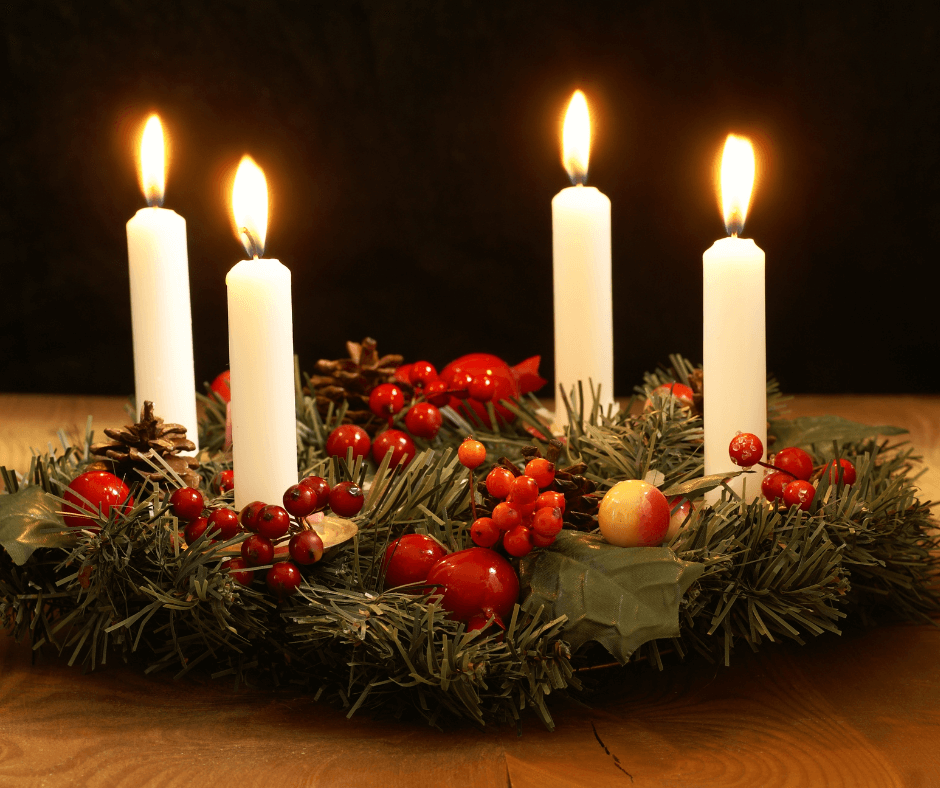
Every Austrian household marks the beginning of Advent with the Adventskranz — a wreath of evergreen branches adorned with four candles. Each Sunday, one more candle is lit, accompanied by quiet prayers, singing, or storytelling. Children eagerly look forward to this weekly ritual, often joining in with traditional Advent songs.
This simple yet meaningful act is emblematic of the season: calm, contemplative, and deeply rooted in both family life and faith.
Christkindlmarkt: Austria’s Enchanted Markets
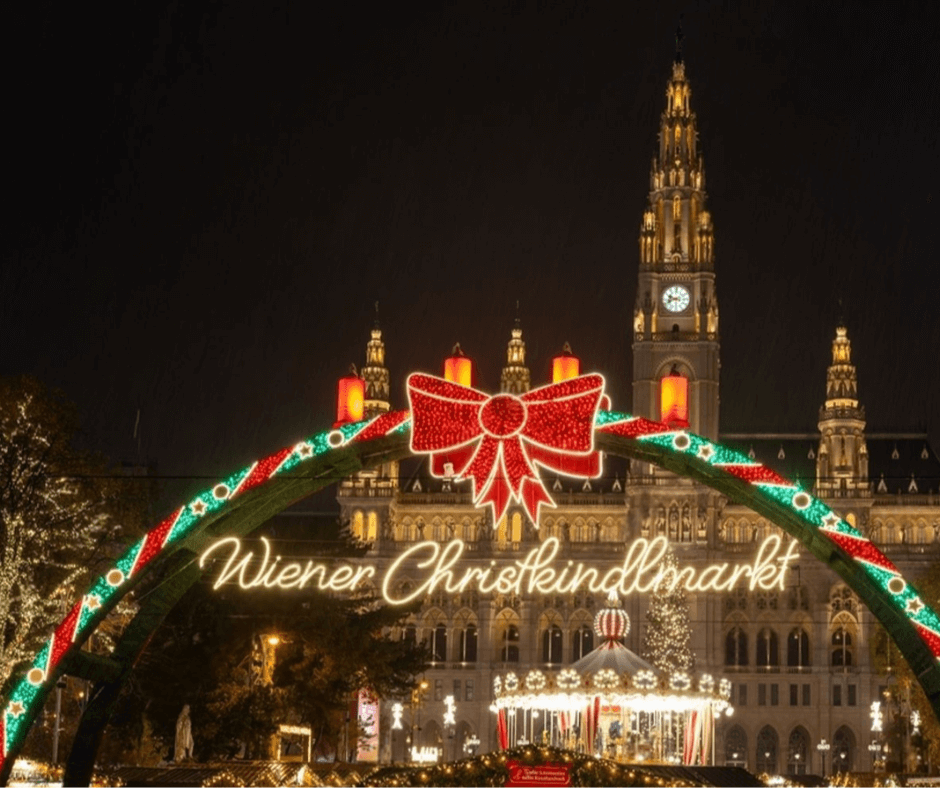
Perhaps the most visually stunning part of Advent in Austria is the Christkindlmarkt, or Christmas market. These pop-up winter villages appear in city squares and mountain towns, each one unique but united by the warmth and charm of the season.
In Salzburg, the Domplatz comes alive with stalls offering mulled wine, roasted chestnuts, beeswax candles, and wooden ornaments. In Innsbruck, the market beneath the Golden Roof glows with lanterns and the sound of alpine choirs. Even the smallest alpine hamlets — like Hallstatt or Alpbach — host their own mini markets, where locals sell homemade jams, gingerbread, and woolen mittens.
The markets are more than just a place to shop — they are a place to meet, to share, to warm your hands on a mug of Glühwein and your heart on a well-told story.

Krampus and Saint Nicholas: A Dual Tradition
One of Austria’s most distinctive Advent customs is the Krampuslauf, a parade that honors the dual forces of good and evil that mark the season.
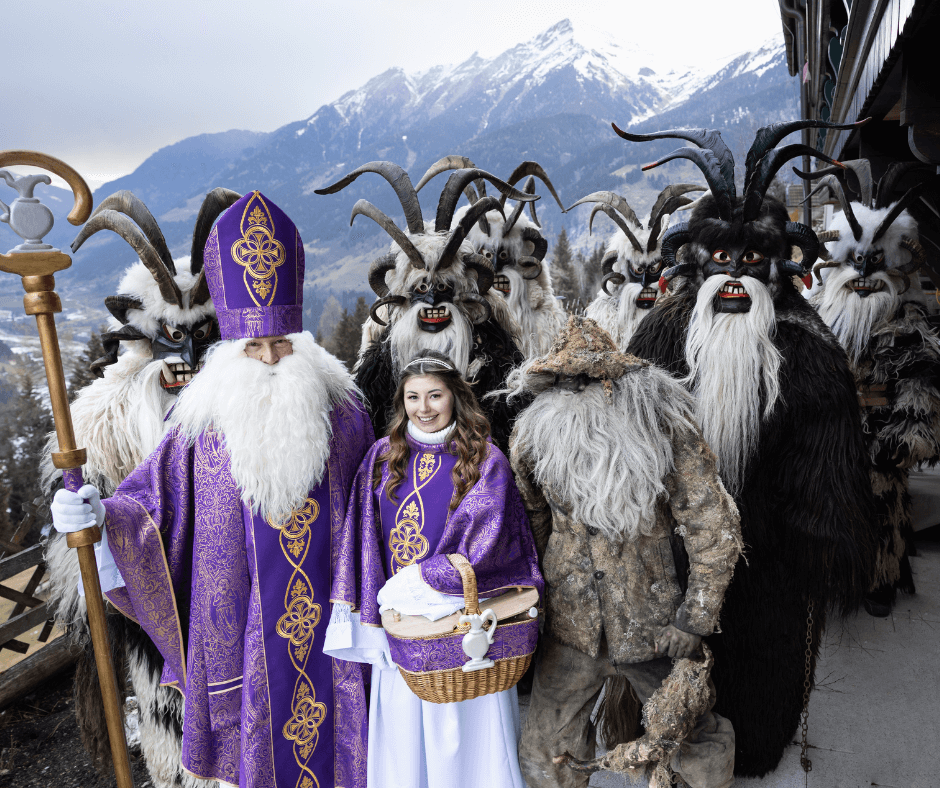
On the eve of December 6th, Saint Nicholas visits homes to reward good children with small gifts or sweets. But he is not alone.
Accompanying him is Krampus — a fearsome, horned figure dressed in fur and chains, who punishes naughty children and causes harmless mischief.
In many Alpine towns, Krampus comes to life in elaborate parades. Young men don carved wooden masks and roam the streets, rattling chains and playfully frightening the crowd. The tradition — equal parts pagan and Christian — is a thrilling contrast to the otherwise gentle spirit of Advent, and a testament to Austria’s rich folkloric heritage.
Music in the Mountains
Austria’s contribution to the world of classical music is well known, and during Advent, that musical heritage fills churches, chapels, and concert halls with resonant beauty.
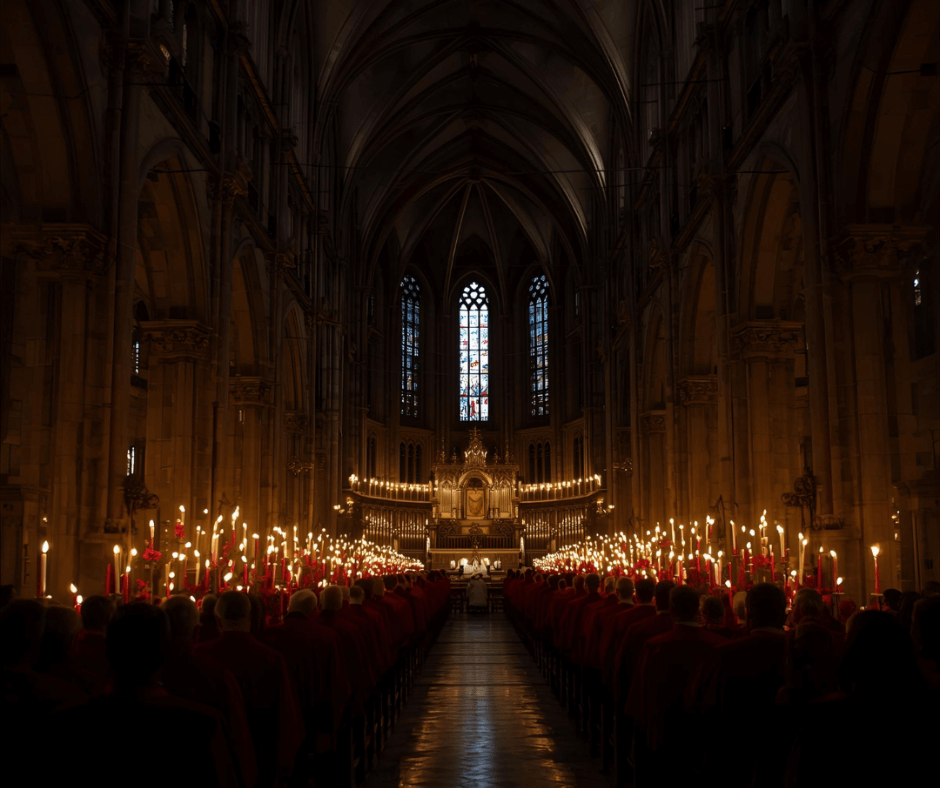
One of the most iconic performances of the season is the Advent Singing in Salzburg — a choral event featuring traditional carols, regional folk music, and orchestral arrangements. Local schools and choirs prepare for months to take part in these festive concerts, often held in candlelit churches with perfect acoustics.
And, of course, no Advent season would be complete without a rendition of “Stille Nacht” (“Silent Night”), the beloved carol composed in Oberndorf, Austria, in 1818. The song’s humble origins — written for guitar after the church organ broke — remind us of Advent’s focus on simplicity and spiritual intimacy.
Tastes of Tradition
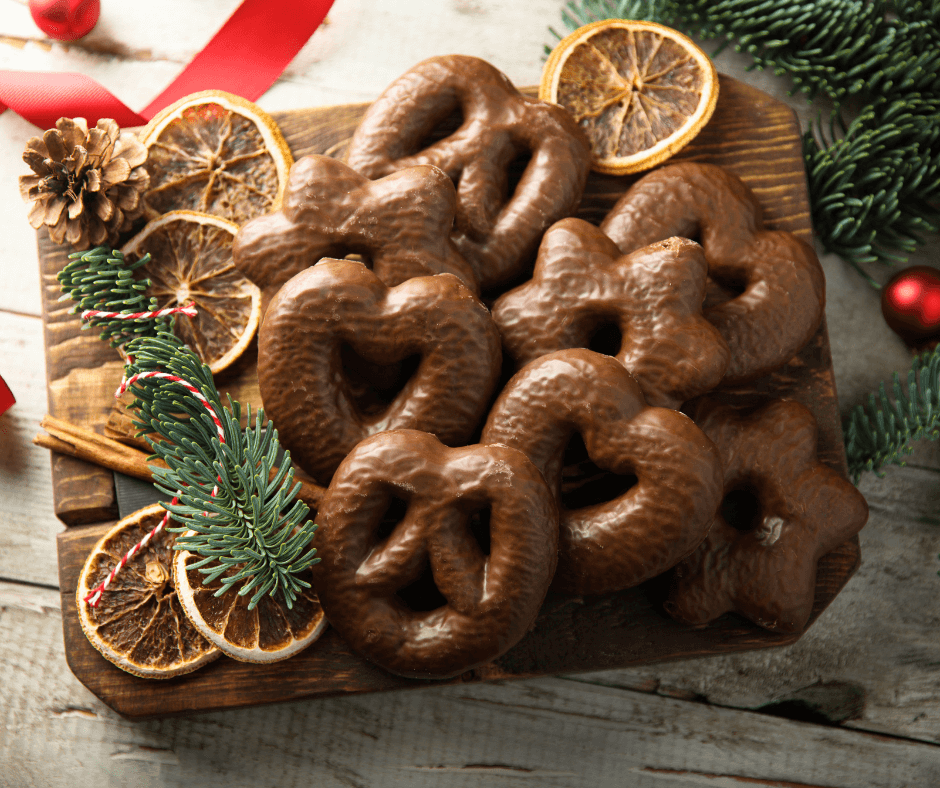
Advent in Austria is a feast for the senses — especially the taste buds. During this season, kitchens are busy preparing Weihnachtskekse (Christmas cookies), Stollen, Lebkuchen, and Vanillekipferl — crescent-shaped vanilla cookies dusted in powdered sugar.
Families often gather for cookie-baking weekends, passing down recipes across generations while children decorate gingerbread. Many of these treats find their way into festive tins, gifted to neighbors or enjoyed during Advent tea times.
At Christmas markets, street vendors serve roasted potatoes, sausages, raclette, and sweet delights like Kaiserschmarrn (shredded pancakes with plum compote) — all washed down with Glühwein, spiced punch, or hot elderberry juice.
A Winter Landscape of Stillness and Splendor
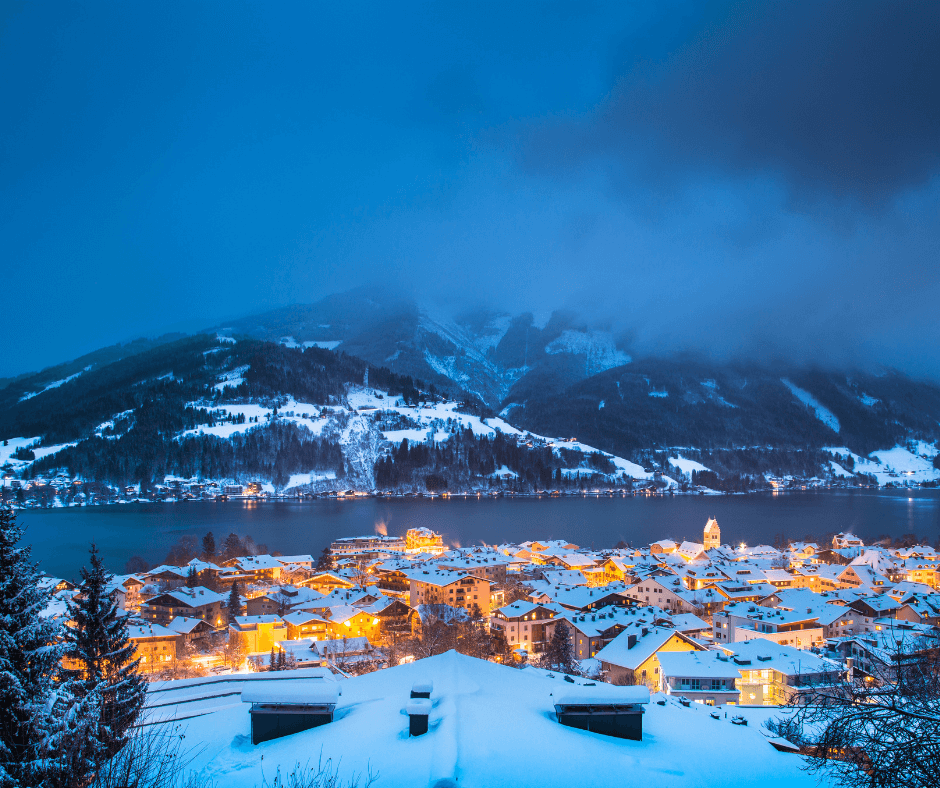
Advent is also a time when the natural landscape plays a starring role. The Austrian Alps, already dramatic in scale and beauty, take on a new dimension under snow. Winter hikes, snowshoe treks, and torch-lit evening walks allow visitors to immerse themselves in the serenity of the mountains.
Many villages stage Nativity scenes — some life-sized, others mechanical or even made from ice and snow. In Tirol and Vorarlberg, traditional Krippen (cribs) are displayed in homes and churches, hand-carved and passed down as heirlooms.
The snow muffles sound and magnifies the glow of lanterns and stars, creating a sense of sacred stillness that contrasts beautifully with the rush of the modern Christmas season.
Hospitality and Heritage
The Austrian sense of Gemütlichkeit — that unique blend of coziness, warmth, and well-being — is never stronger than during Advent. Mountain hotels and guesthouses light fires in their hearths, serve mulled wine in their lounges, and decorate with handmade wreaths and ornaments.
Among the most charming places to experience this are the Heritage Hotels of Europe in Austria. Set in historic castles, monasteries, and alpine villas, these properties embody the timeless spirit of European hospitality. Guests can enjoy candlelit dinners, Advent concerts, sleigh rides through snow-covered valleys, and wreath-making workshops.
Staying in one of these heritage hotels isn’t just about comfort — it’s about connection: to place, to tradition, and to the gentle rhythm of the Austrian winter.

Why Austrians Treasure Advent
In a world of instant gratification, fast travel, and digital noise, Advent in Austria remains a time set apart. It is about ritual over rush, connection over consumerism, wonder over distraction.
This devotion to slowness and seasonality gives Advent its deep meaning. It is a time to honor the past, to pause and give thanks, to share both silence and song.
Above all, it is a time when the whole country — wrapped in snow and story — seems to glow from within.