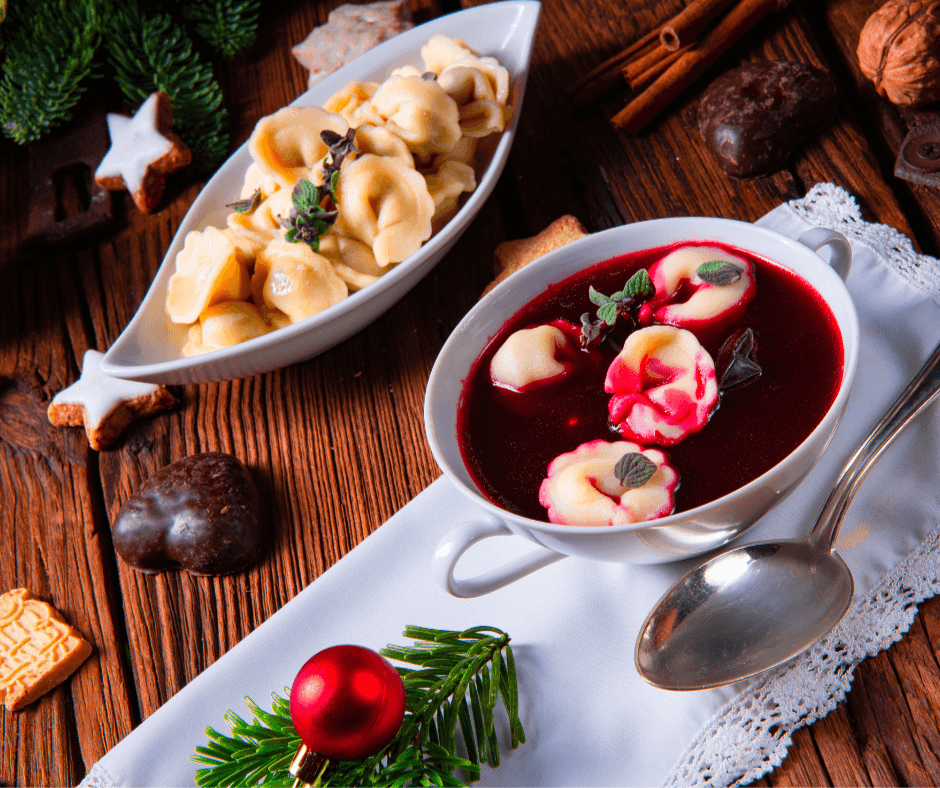
On the night of December 24th, Polish families gather for Wigilia — a Christmas Eve feast steeped in meaning, memory, and love.
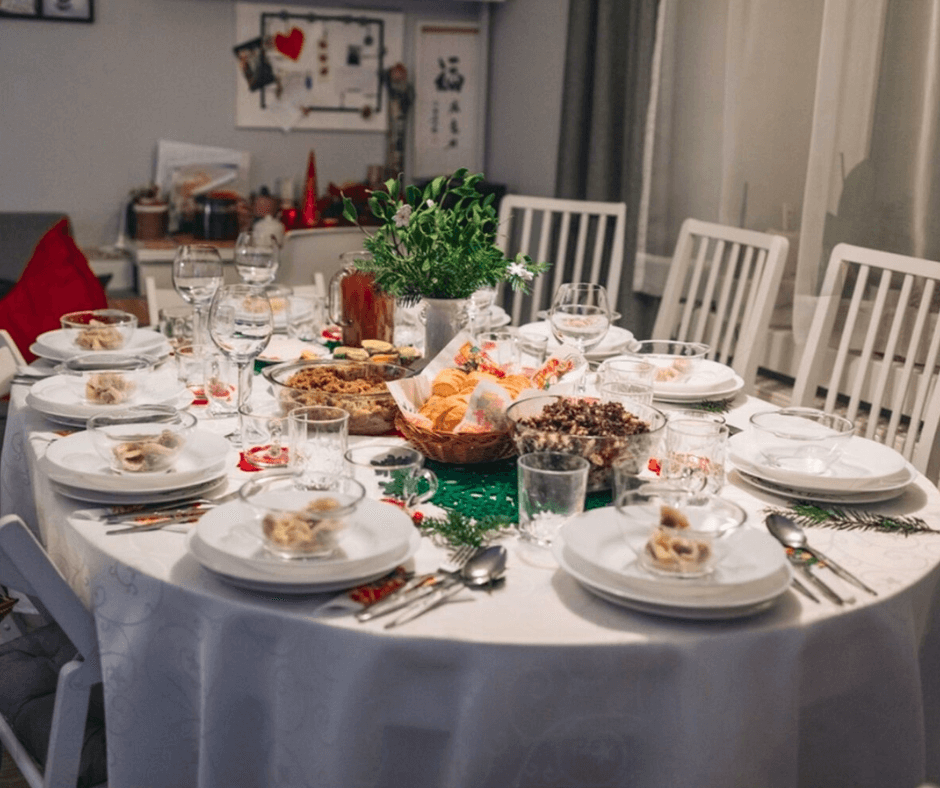
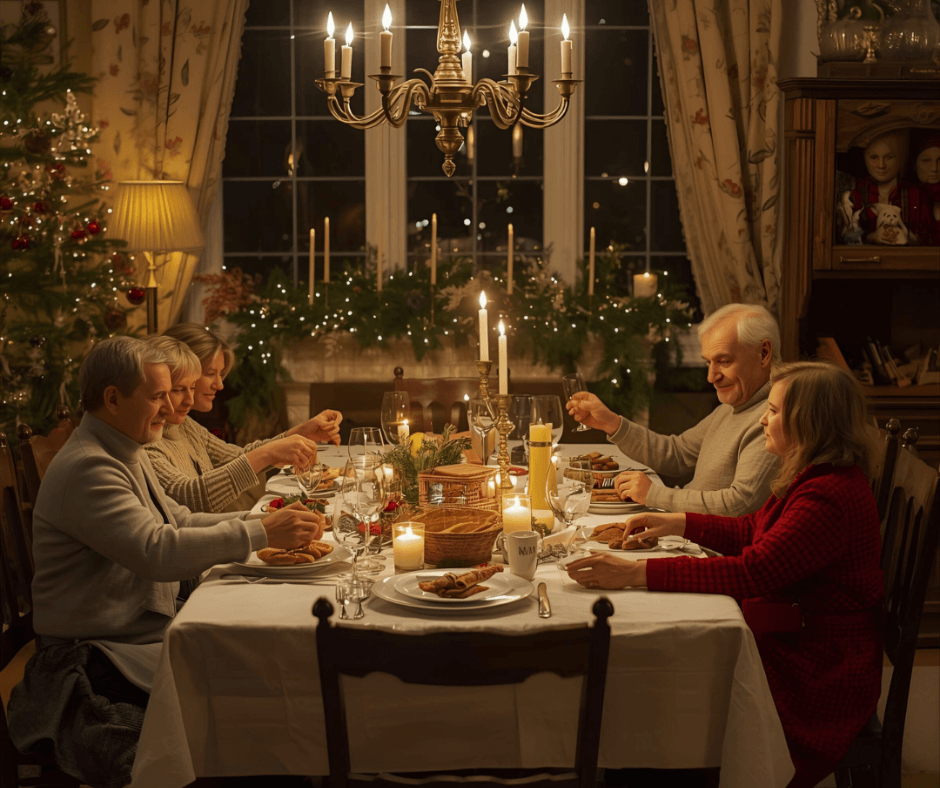
The table is set with twelve symbolic dishes. An empty chair awaits the unexpected guest. Candlelight dances on white linen, and the first star of the evening — Gwiazdka — signals that dinner may begin.
In Poland, Christmas Eve is not just a meal. It is a ritual of belonging, of remembrance, and of hope.
The Spirit of Wigilia
Wigilia, derived from the Latin word for “vigil,” marks the most sacred and anticipated evening in the Polish calendar. Though modest in tone, it carries profound spiritual significance.
For many families, the day begins with fasting or light meals, culminating in the grand feast after sunset. As the first star appears — representing the Star of Bethlehem — everyone gathers at the table, united by tradition.
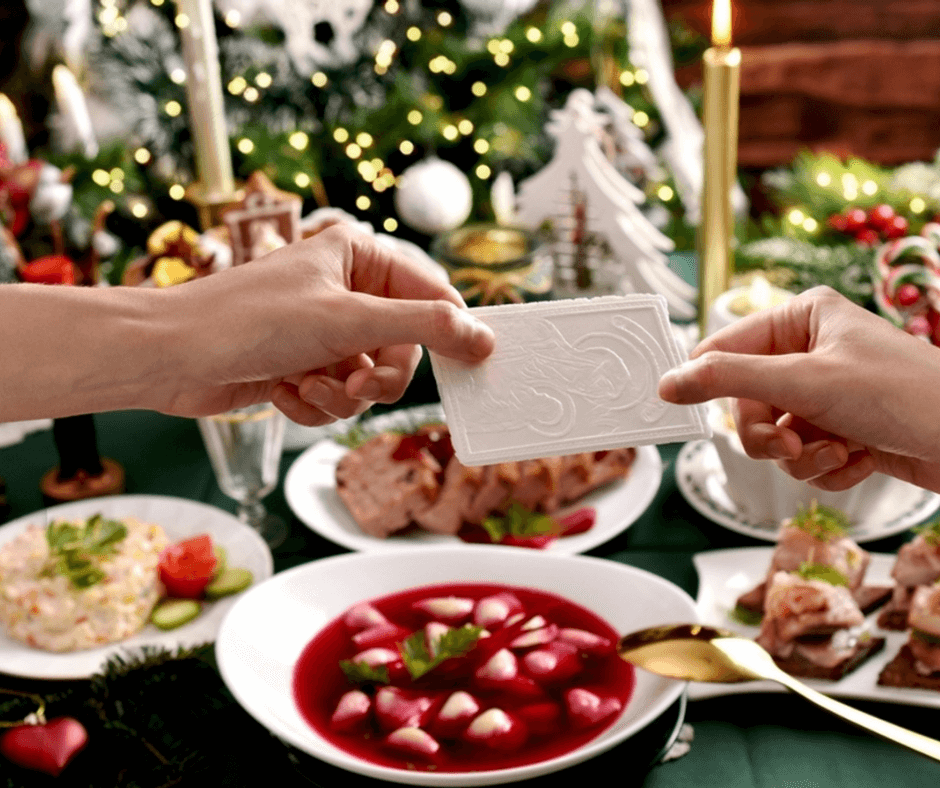
Before eating, family members share opłatek — thin, white wafers similar to communion bread. Each person breaks off a piece from another’s wafer, exchanging good wishes for health, peace, and happiness in the coming year. It is a simple yet deeply emotional gesture that sets the tone for the evening.
The Twelve Sacred Dishes
The Wigilia table features twelve dishes — one for each Apostle — all meatless, honoring the Catholic fasting tradition. Yet the spread is far from austere; it is a showcase of seasonal abundance and regional pride.
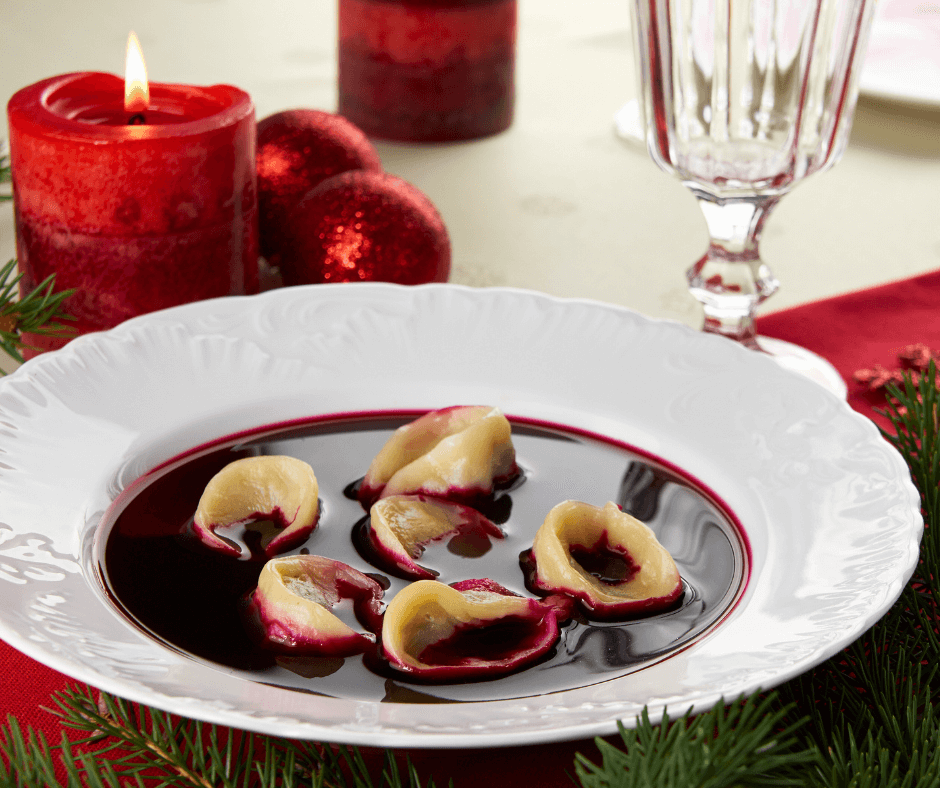
1) Barszcz czerwony – Beetroot soup, often served with uszka, small dumplings filled with mushrooms.
2) Zupa grzybowa – Forest mushroom soup, fragrant and earthy.
3) Pierogi – Dumplings filled with cabbage and mushrooms, a cornerstone of Polish comfort food.

4) Karp smażony – Fried carp, the symbolic centerpiece of the feast.
5) Śledź w oleju or śmietanie – Herring in oil or sour cream, representing prosperity.
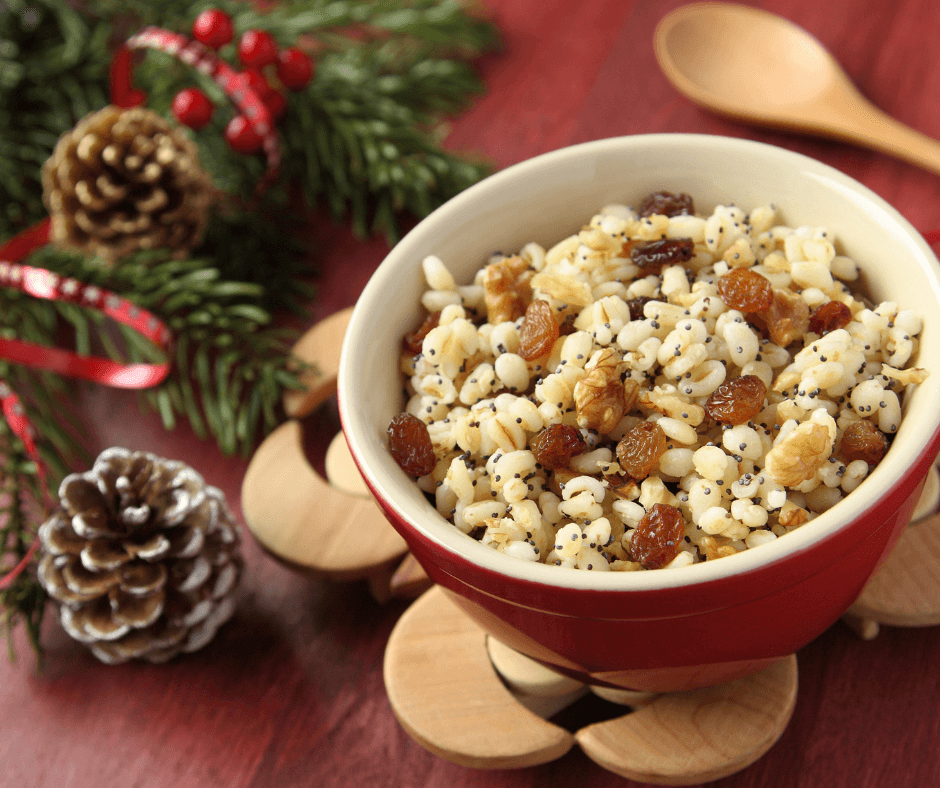
6) Kutia – A sweet grain pudding of wheat, honey, poppy seeds, and nuts, symbolizing unity and rebirth.
7) Kompot z suszu – Dried fruit compote, offering a fragrant close to the meal.
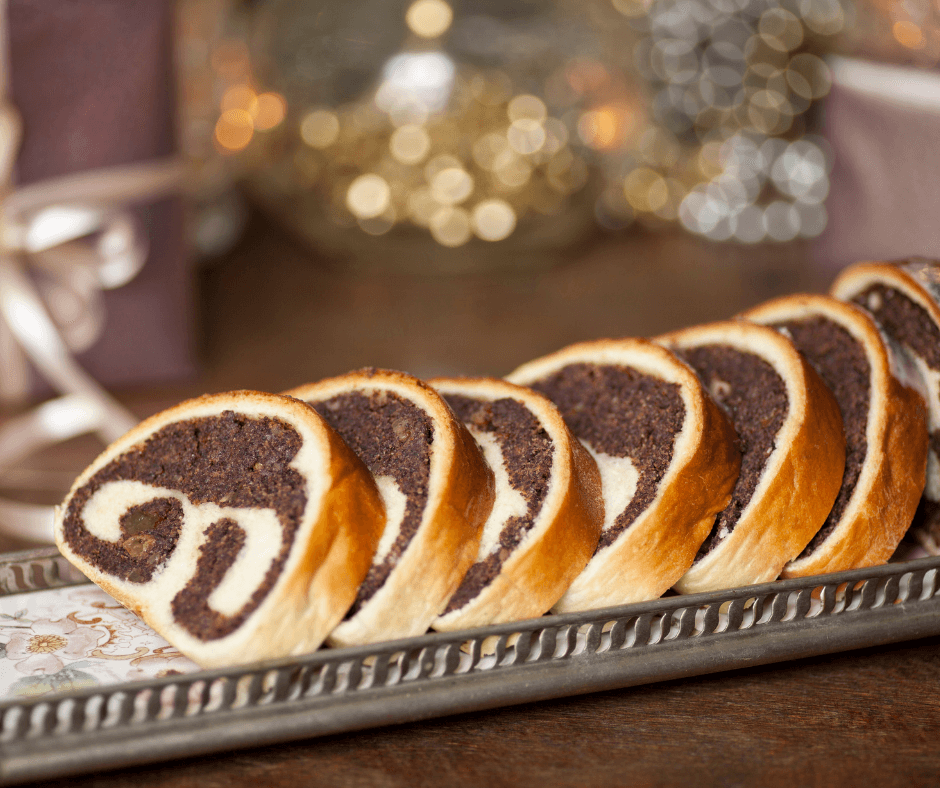
8) Makowiec – Rolled poppy-seed cake, rich with symbolism and sweetness.
9) Kluski z makiem – Pasta with poppy seeds and honey.
10) Gołąbki z kaszą – Cabbage rolls filled with groats and mushrooms.
11) Chleb – Bread, representing life and divine blessing.
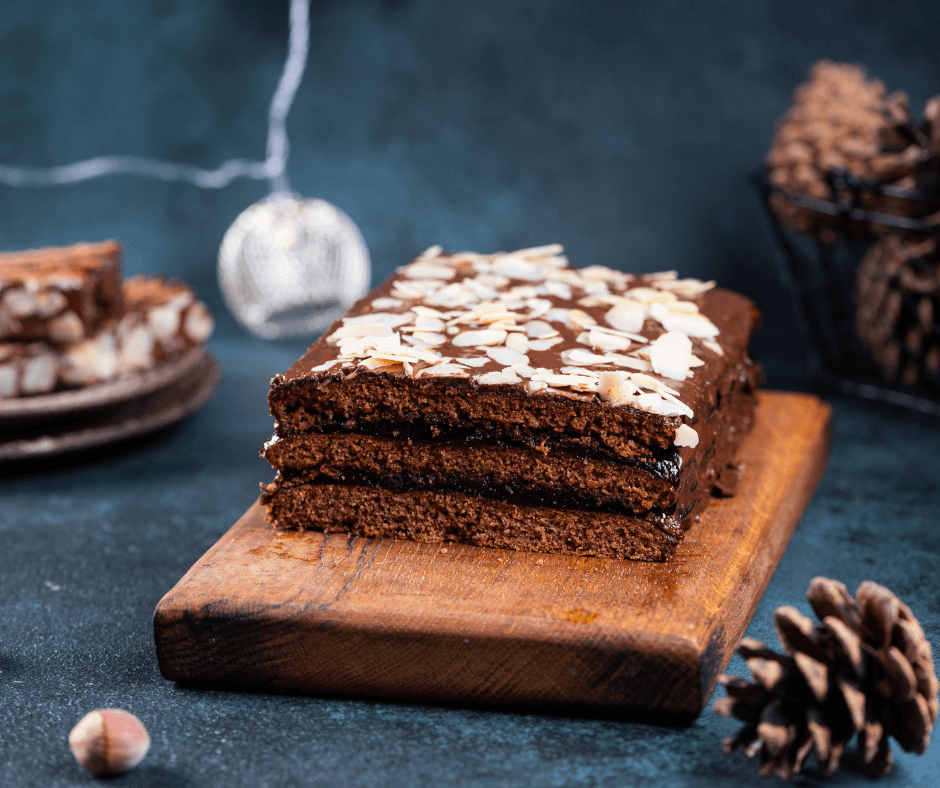
12) Piernik – Spiced gingerbread, the final note of festive indulgence.
Each dish carries layers of meaning: abundance, fertility, health, and the hope for a good year ahead. Eating all twelve ensures good fortune for the twelve months to come.
An Empty Chair for a Guest
One of Wigilia’s most touching traditions is leaving an empty seat at the table — for a traveler, a lonely neighbor, or a departed loved one. It is a gesture of open-hearted hospitality and remembrance, a reminder that no one should be alone at Christmas.
The candle placed in the window serves the same purpose: a beacon for anyone seeking warmth, food, or company.
Carols and Blessings
After the feast, families gather around the Christmas tree to sing kolędy — Polish carols known for their beauty and storytelling. The melodies range from joyful to contemplative, some dating back centuries.
Later, many families attend Pasterka, the Midnight Mass, to celebrate the birth of Christ. Churches glow with candlelight, and choirs fill the air with harmony. It is a moment of deep national unity and spiritual reflection.
Regional Flavours and Folk Customs
Across Poland, Wigilia takes on local variations. In the mountains, dishes might include smoked cheese (oscypek) or cabbage stews. In coastal areas, Baltic fish replaces carp. In some regions, straw is placed under the tablecloth, symbolizing the manger, and the table is sprinkled with hay.
Children eagerly await Gwiazdor — the Star Man — who brings small gifts after dinner, often accompanied by the reading of the Christmas story from the Gospel of Luke.
Hospitality with Heart: Staying at Heritage Hotels in Poland
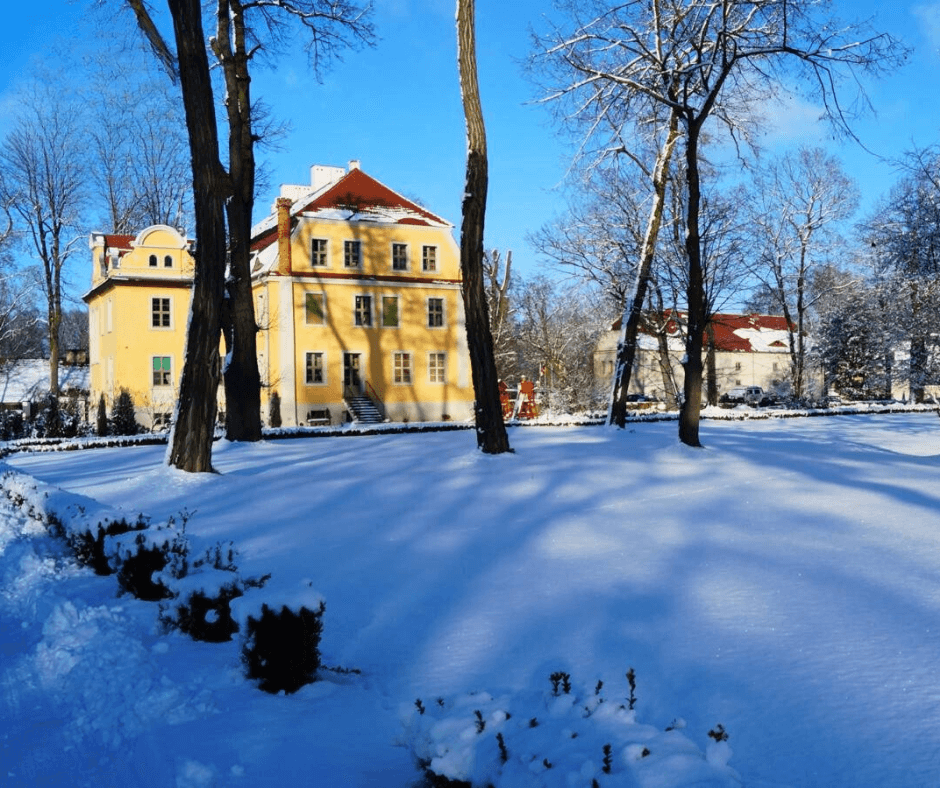
The warmth of Wigilia extends beyond the home and into Poland’s grand tradition of hospitality. Travelers who spend the festive season in Poland can experience this spirit firsthand at the Heritage Hotels of Europe in Poland.
These properties — from elegant manor houses in Mazovia to charming palaces in Lesser Poland — embody the essence of Polish culture: grace, generosity, and heart. Many host seasonal concerts, festive dinners, and workshops where guests can learn to make pierogi or decorate gingerbread.
To stay in one of these hotels is to step into a living story — where every room tells of history, every meal celebrates tradition, and every candle flicker recalls the warmth of a Polish Christmas Eve.
A Feast of Faith and Family
Wigilia endures because it speaks to something timeless — the human need for connection, reflection, and kindness.
It is not a spectacle, but a quiet symphony of ritual: the breaking of bread, the sharing of wishes, the singing of carols. In every Polish home, the glow of candles reflects not only on the table, but in the hearts of those gathered around it.
And somewhere, in the flicker of that light, the spirit of Christmas — humble, hopeful, and eternal — lives on.